Ecosystems

Ravine Forest

5 reserves protect this ecosystem

About the Ecosystem

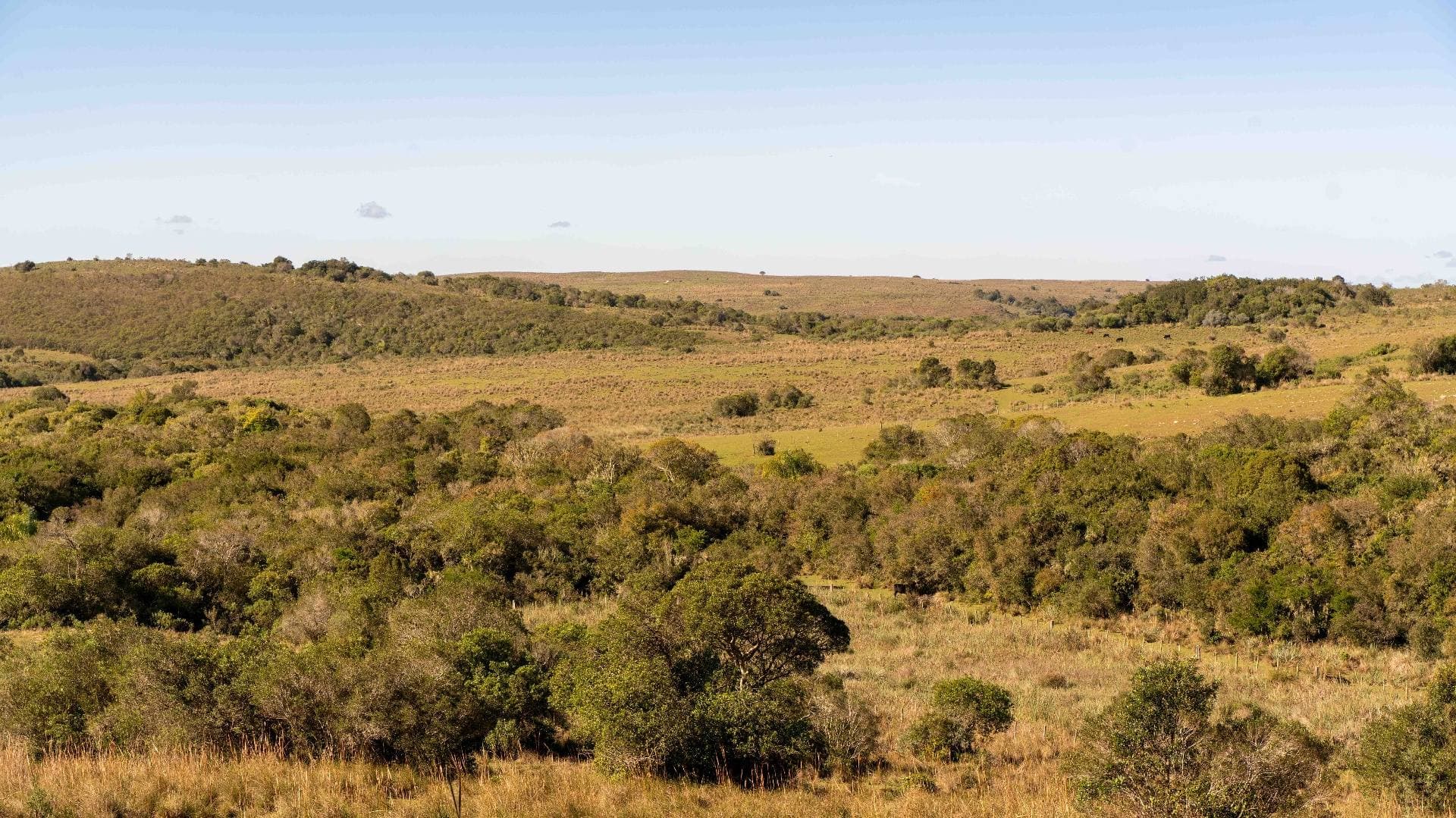
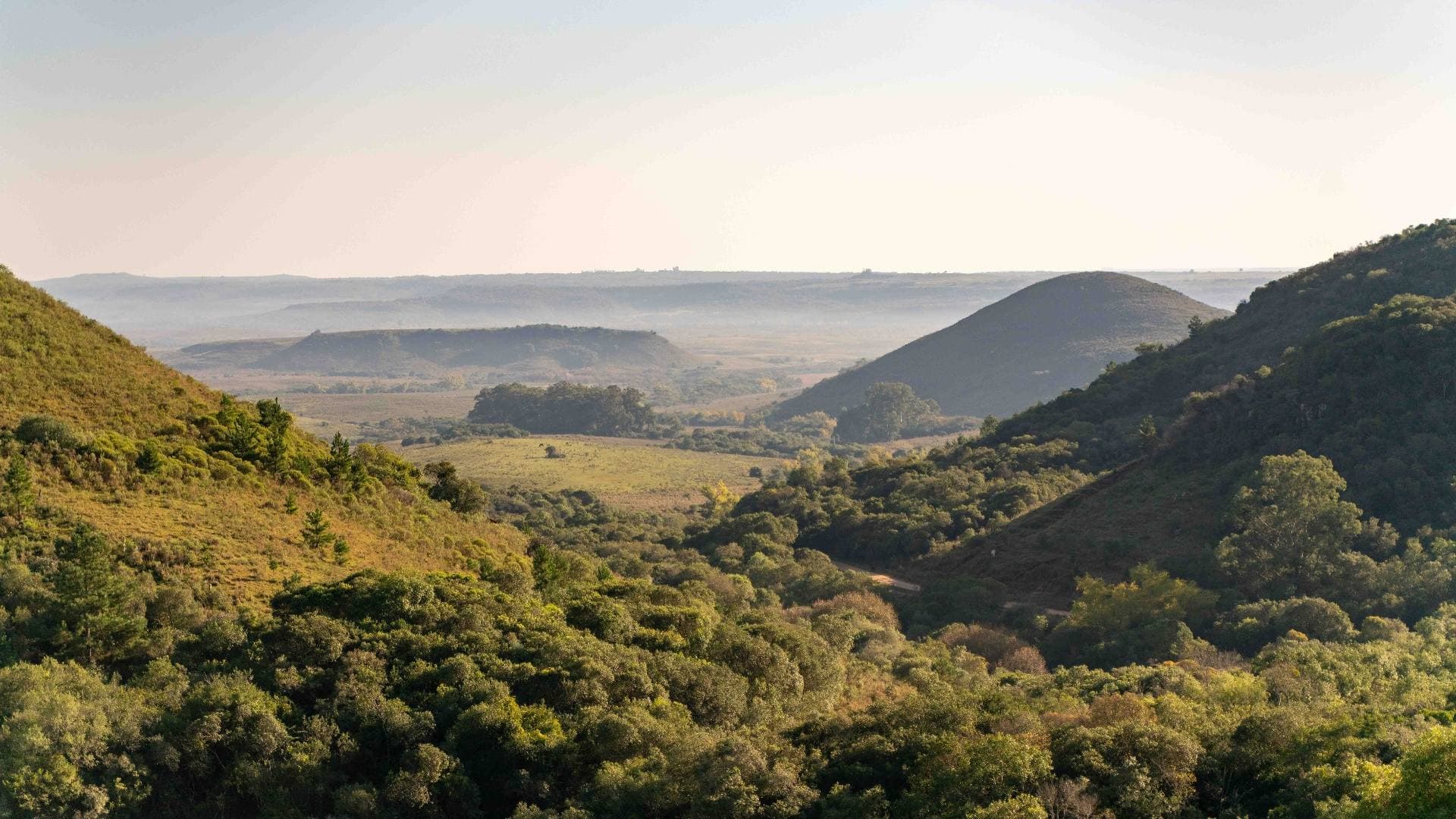
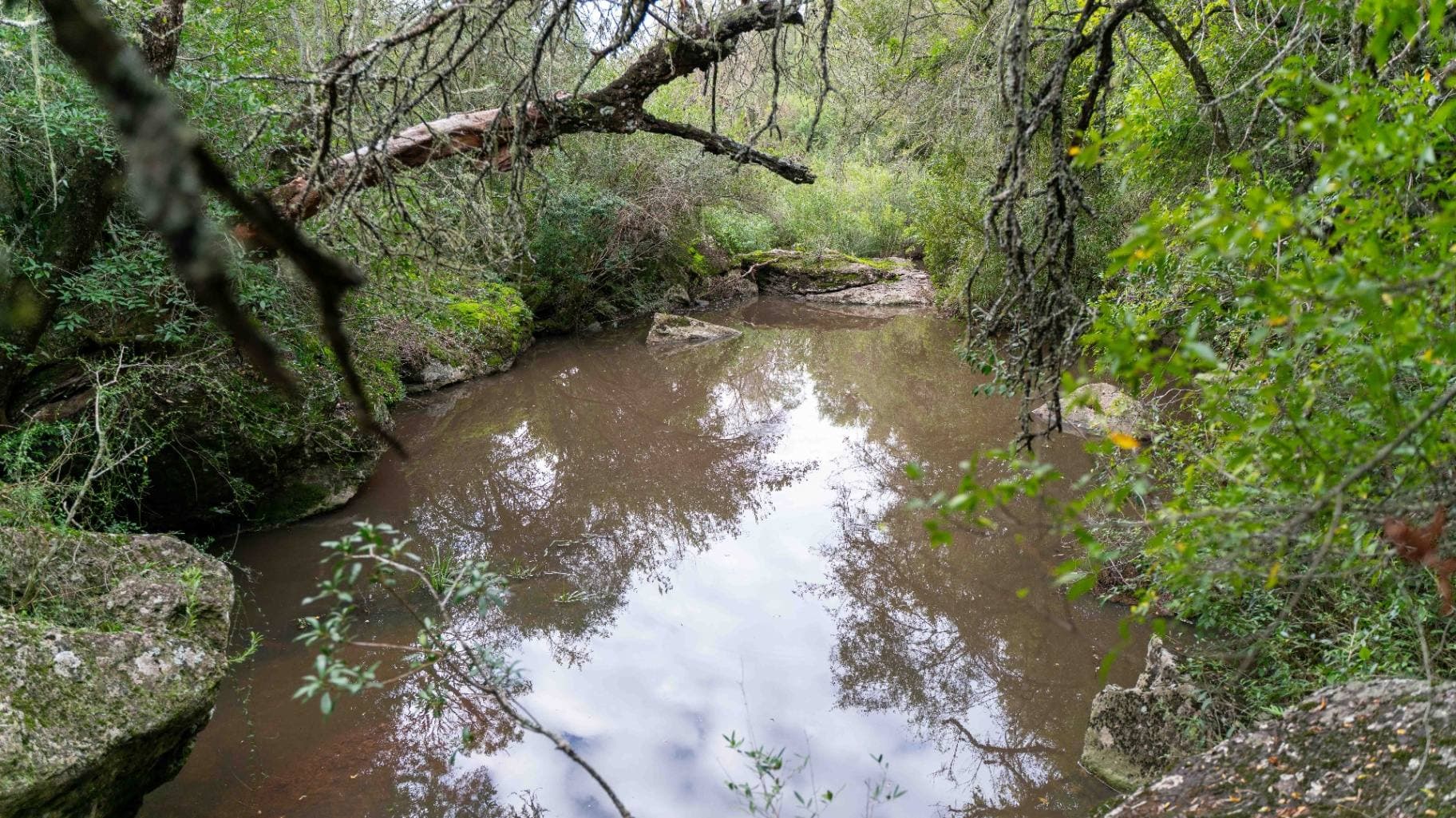
This type of forest is made up of mainly woody vegetation that grows in steep depressions in the terrain caused by a specific geological component. These depressions allow environmental conditions to differ from those around them: greater humidity, more moderate temperatures, absence of frosts, among others. Together with their geographical location, connected to the south of Brazil, this allows the development of dense forests with very large trees, several vegetation layers and species unique to these environments. They occur mainly in Tacuarembó, Rivera, Cerro Largo and Treinta y Tres.

Did You Know...

Uruguay's Rainforest

These forests are the closest thing to a rainforest found in Uruguay. They are the most diverse in terms of the number of species and the different types of plants that grow there. They develop several layers: a herbaceous carpet on the ground, usually with plenty of ferns; a second layer dominated by the regeneration of the taller trees and by shrub species; then a layer of taller trees, among which a few species stand out for dominating the canopy, such as the laurels or the Francisco Álvarez. On the trees themselves grow a great many epiphytic species, generally ferns, bromeliads and some orchids. Lianas are also abundant.

Giant Trees

The largest trees in our forests grow in this type of vegetation, and some are more than a metre in diameter. They are also the best preserved forests in our country.

A Unique Microclimate

Environmental conditions inside the ravines are very different from those of the surrounding area: they are generally frost-free, damper and shadier than the land outside them. What is more, waterfalls of crystal-clear water are very common there.

Test what you learned

Teaching Materials

Downloadable materials

Fact sheets, guides and printable resources about this ecosystem will be available for download soon.
Ecosystem Gallery