Ecosystems
Riparian Forest
About the Ecosystem
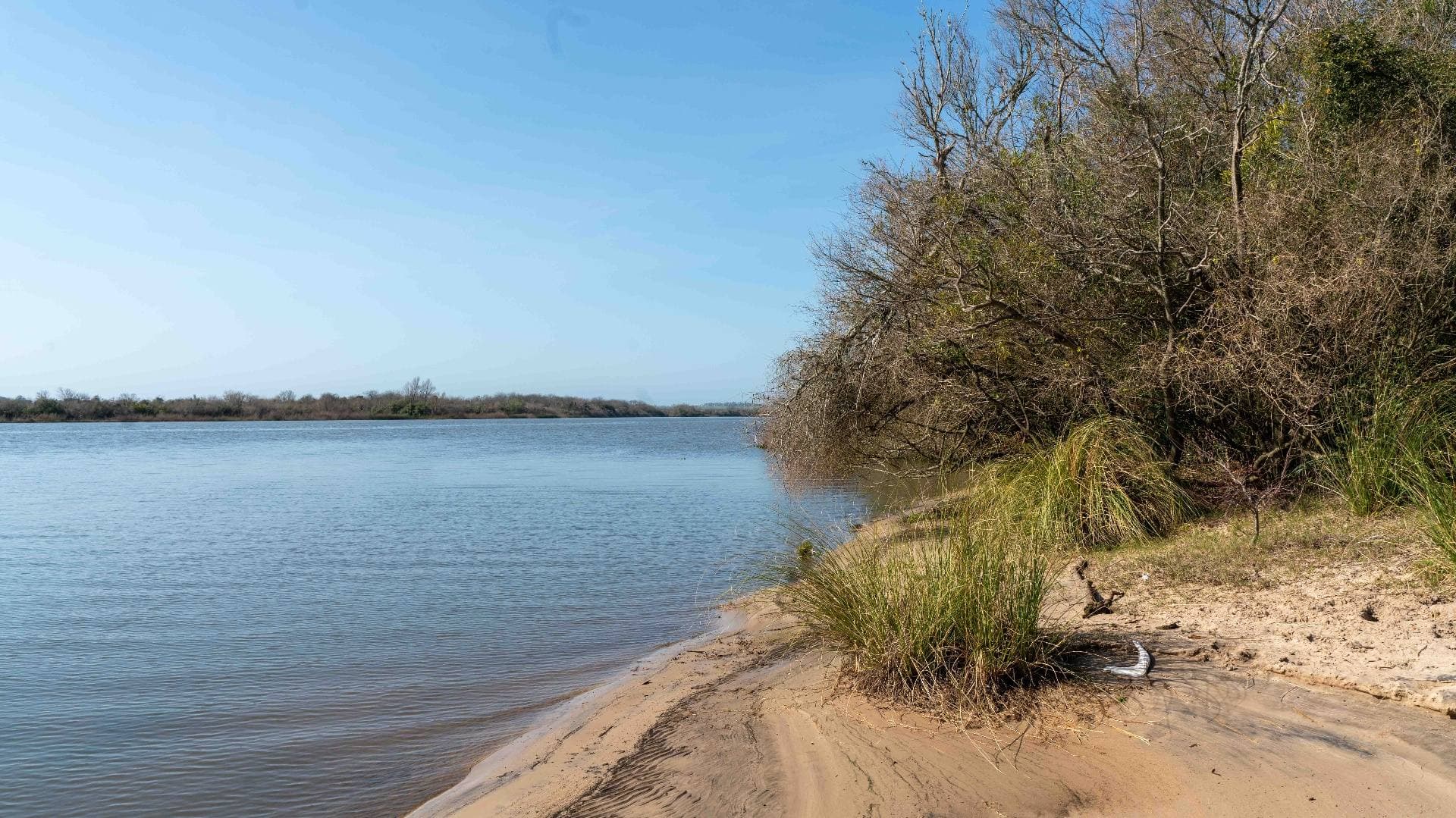
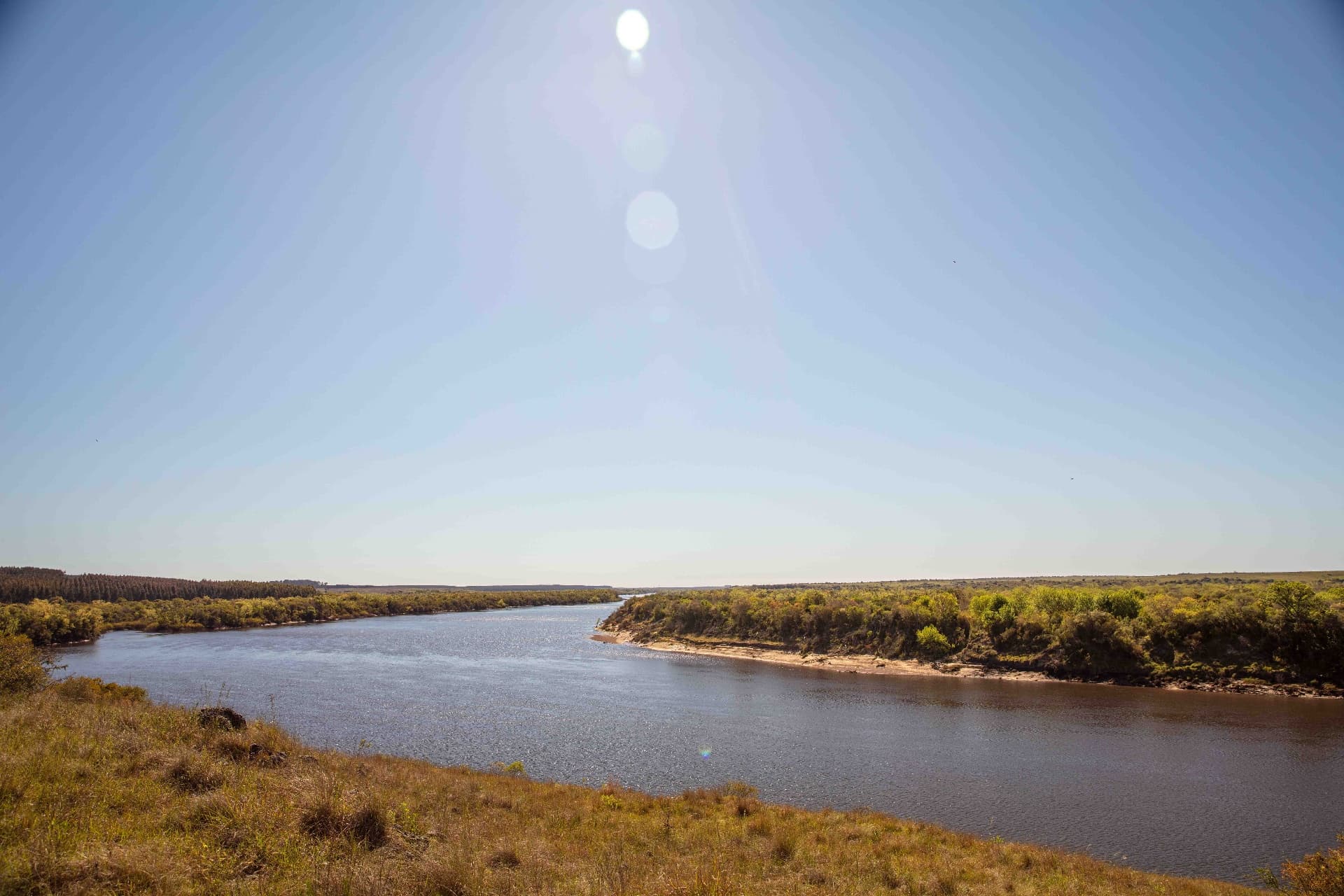
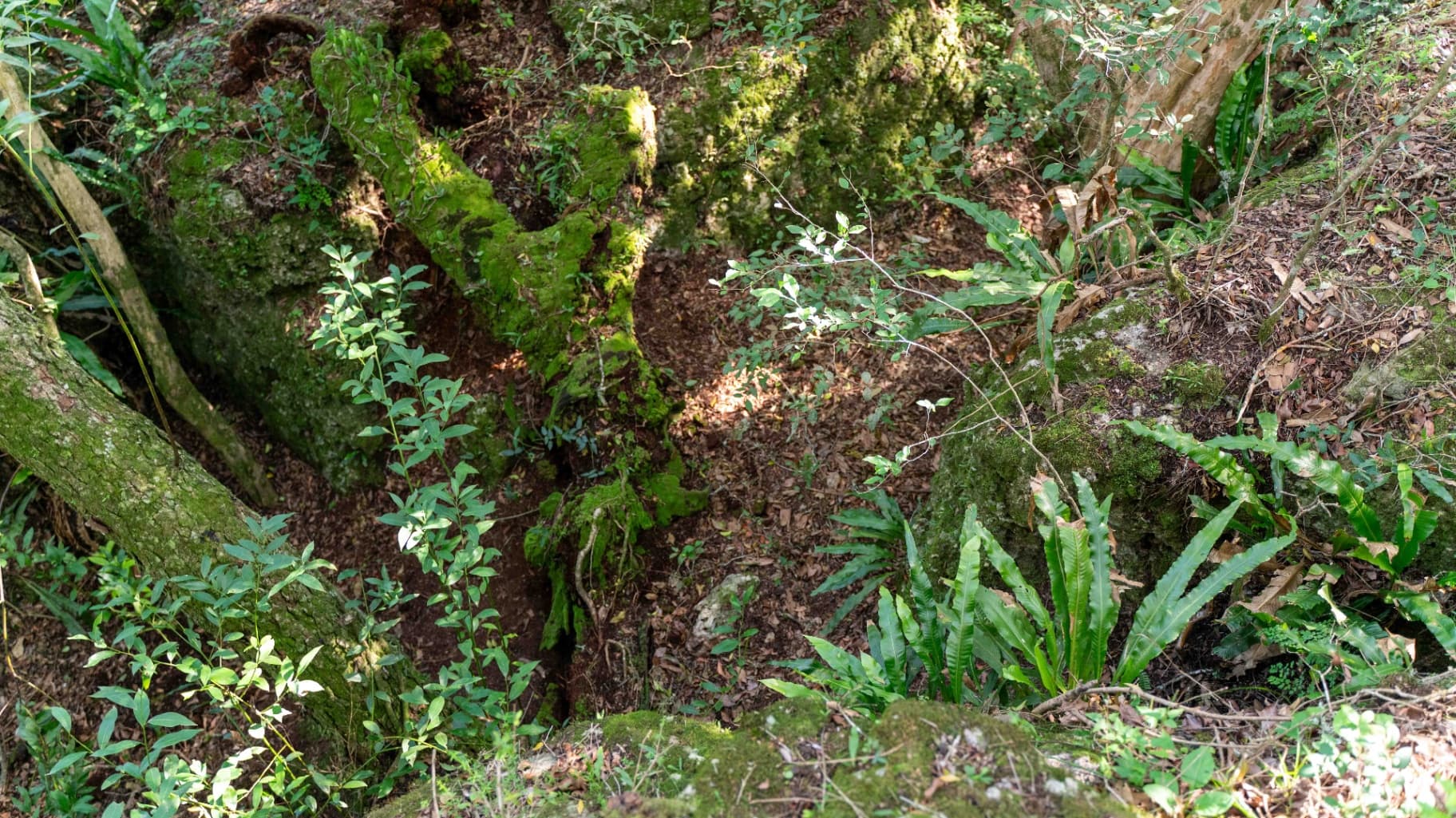
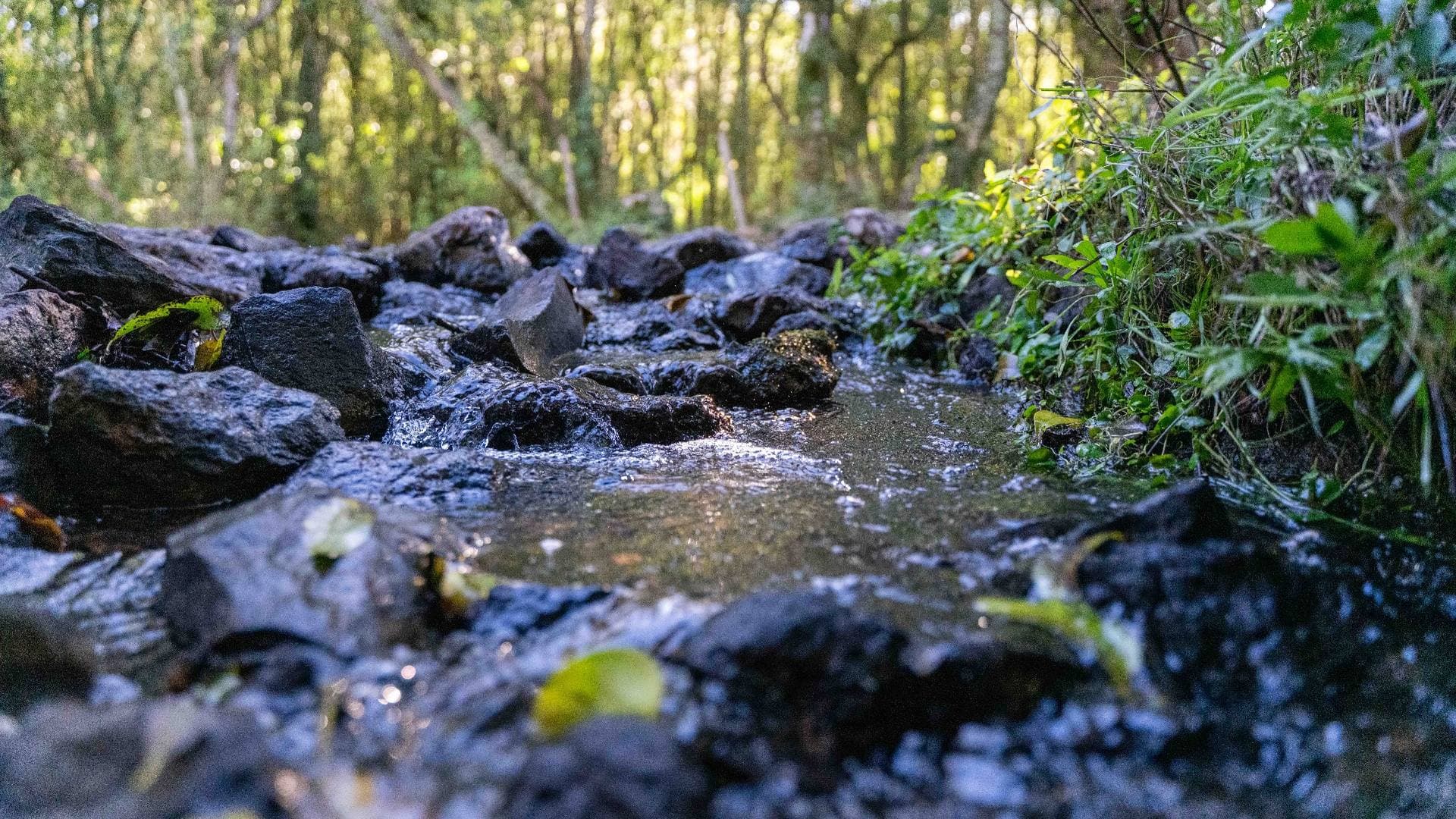
These are environments used by the general population, since they are very often put to recreational use (camping, fishing) or as a source of firewood. The number of species that make them up varies according to the region of the country we are in, and they are more diverse in the north than in the south. Riparian forests are very important for protecting the soil and for maintaining favourable conditions in the fresh water that flows along the rivers.
Did You Know...
Vulnerability
They are highly vulnerable to human activities that are not properly planned. For example, near urban centres or where bridges are built, they are often found in a degraded state, and one symptom of this is the spread of invasive alien species, as well as the disappearance of the species considered most valuable for use as firewood.
A Refuge for Wildlife
Riparian forests are home to a great deal of native wildlife: mammals, birds, amphibians, insects and more.
Natural Corridors
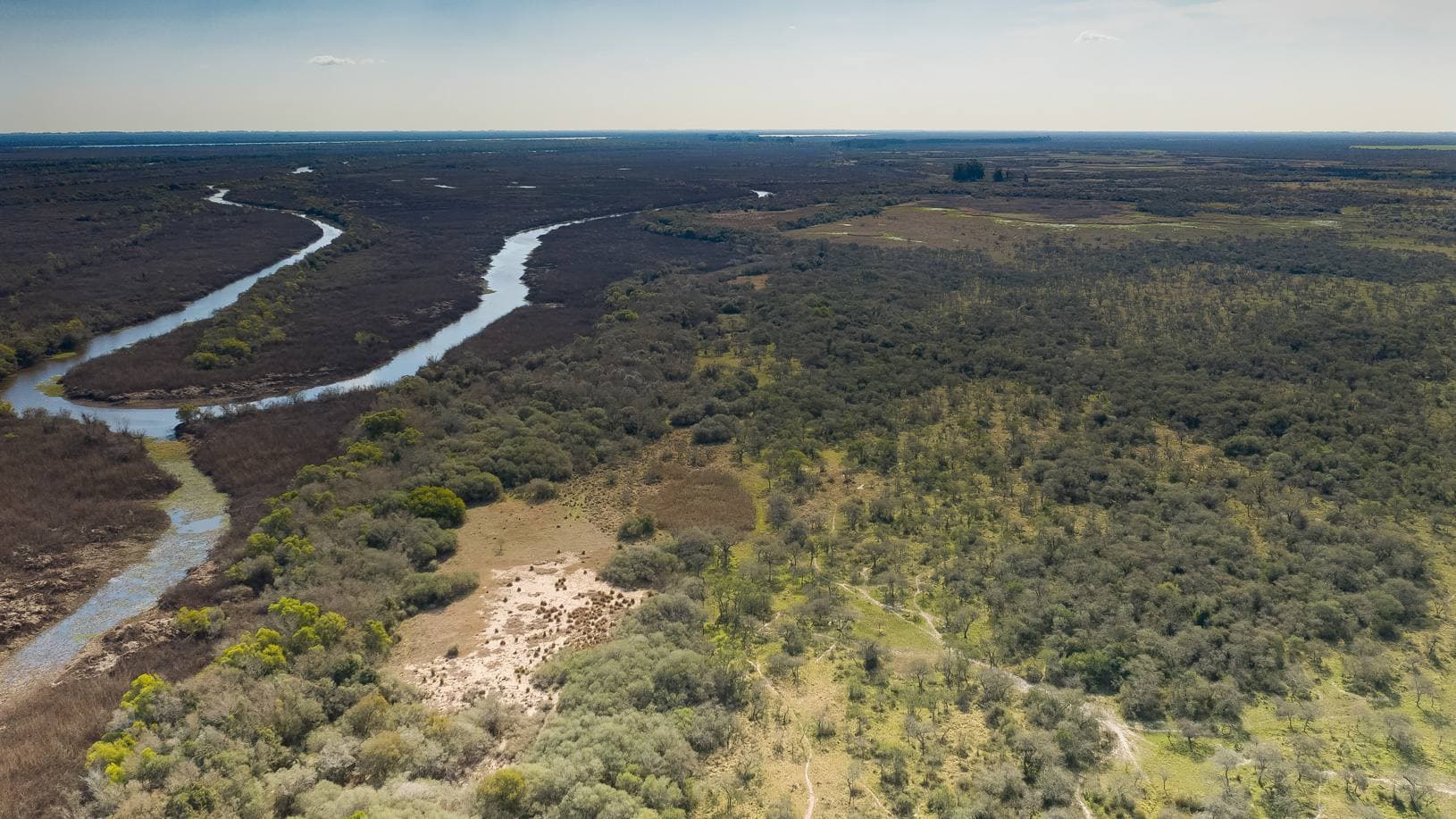
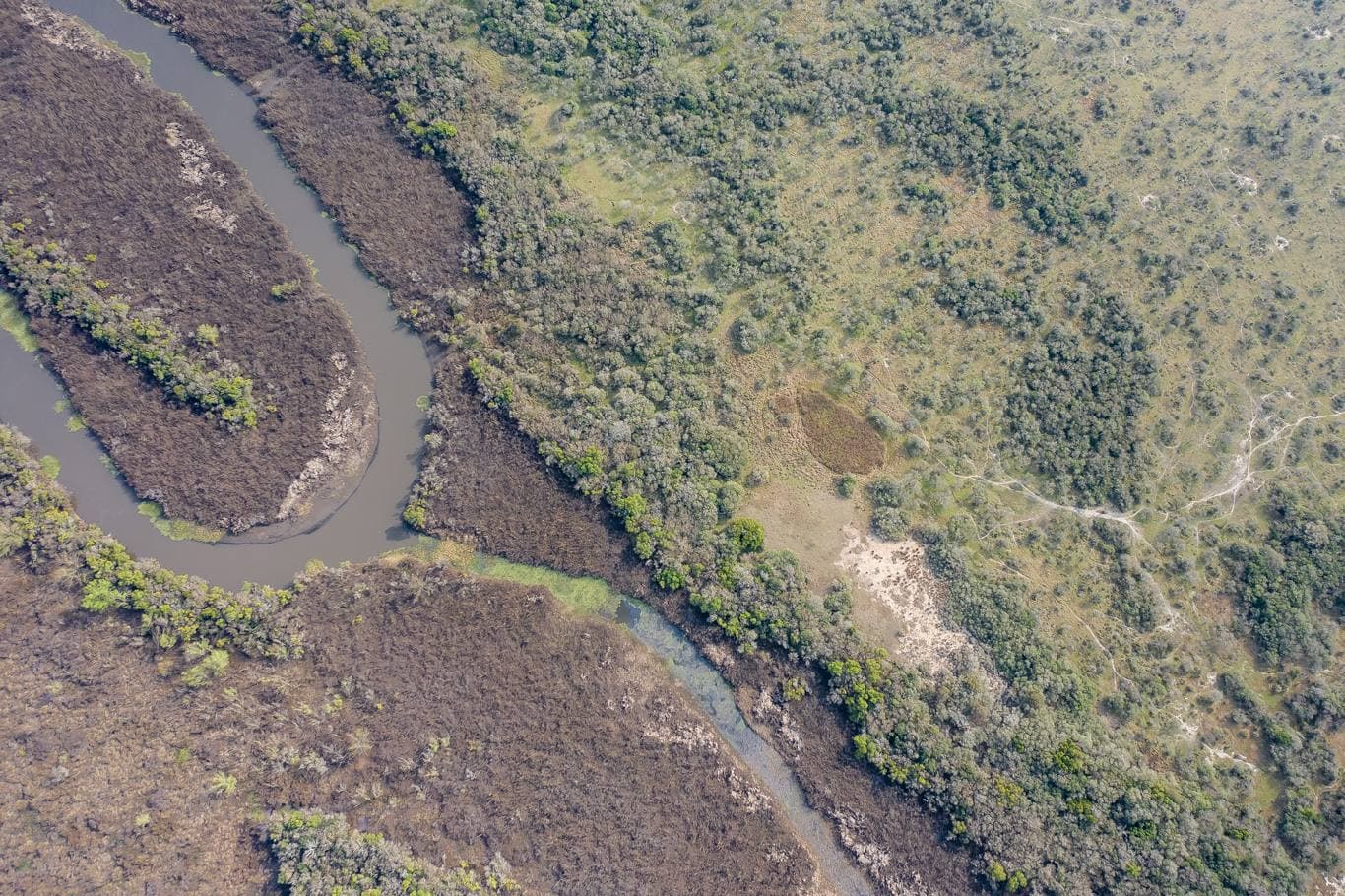
They form continuous corridors along the rivers, connecting distant ecosystems and allowing species to travel hundreds of kilometres.
Test what you learned
Teaching Materials
Downloadable materials
Fact sheets, guides and printable resources about this ecosystem will be available for download soon.
Ecosystem Gallery
Reserves with this Ecosystem
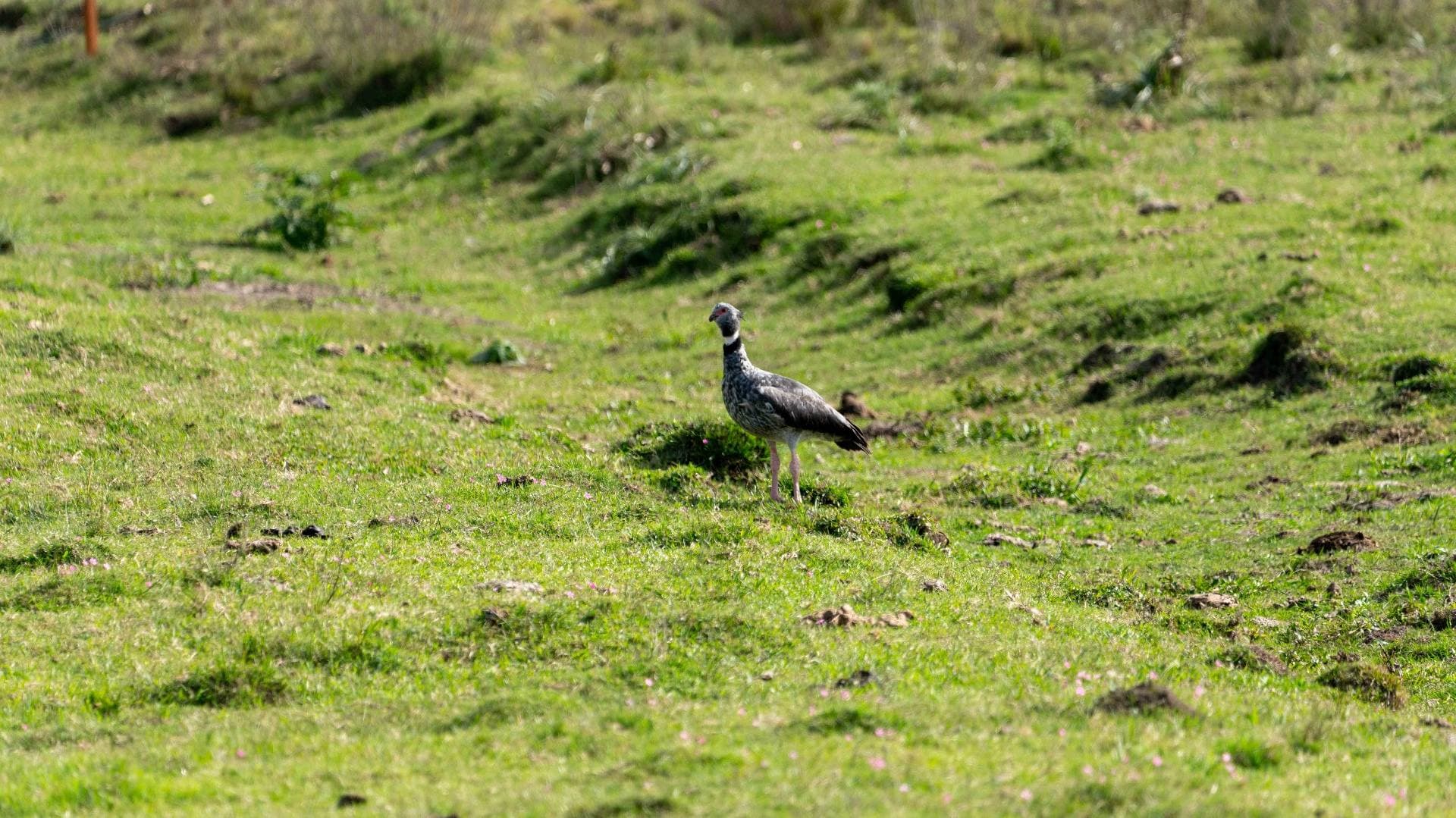
Arroyo Malo
543 hectares

Barrancas Negras
600 hectares

Cerro de los Chivos
534 hectares

Coladeras
445 hectares

Coquimbo
369 hectares

El Alero III
277 hectares

El Cerro
950 hectares

El Jabalí
865 hectares

El Ombú
341 hectares

El Retiro
1,031 hectares

El Rosario
359 hectares

Esteros y Algarrobales del Río Uruguay
1,550 hectares

La Palma
1,054 hectares

La Peñarrosa
328 hectares

La Rinconada
658 hectares

La Trinidad
1,000 hectares

Lambaré
420 hectares

Las Tunas
178 hectares
Quiebrayugos I
25 hectares
Sierra de los Ríos
225 hectares