Ecosystems
Hill forest
About the Ecosystem
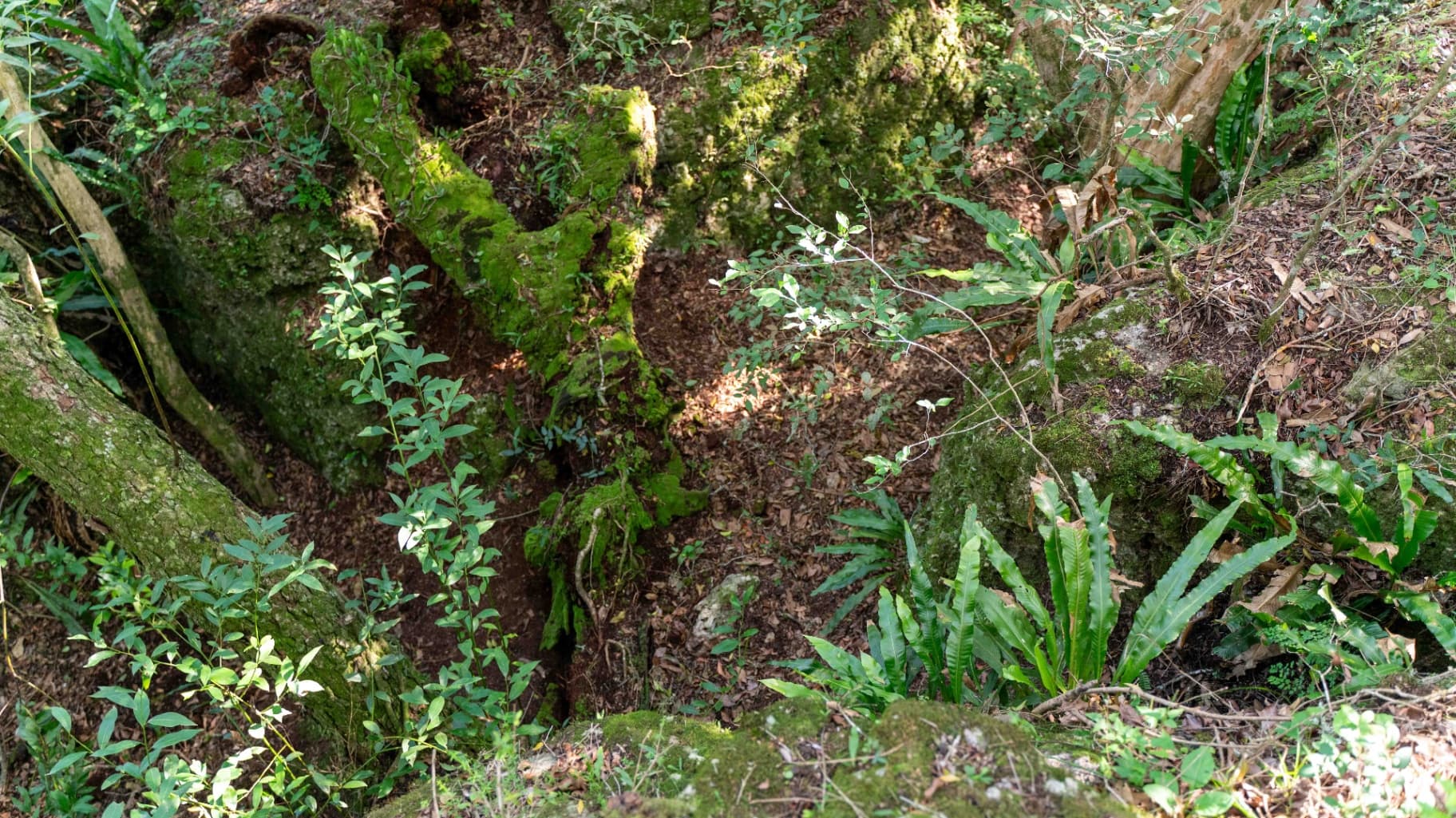
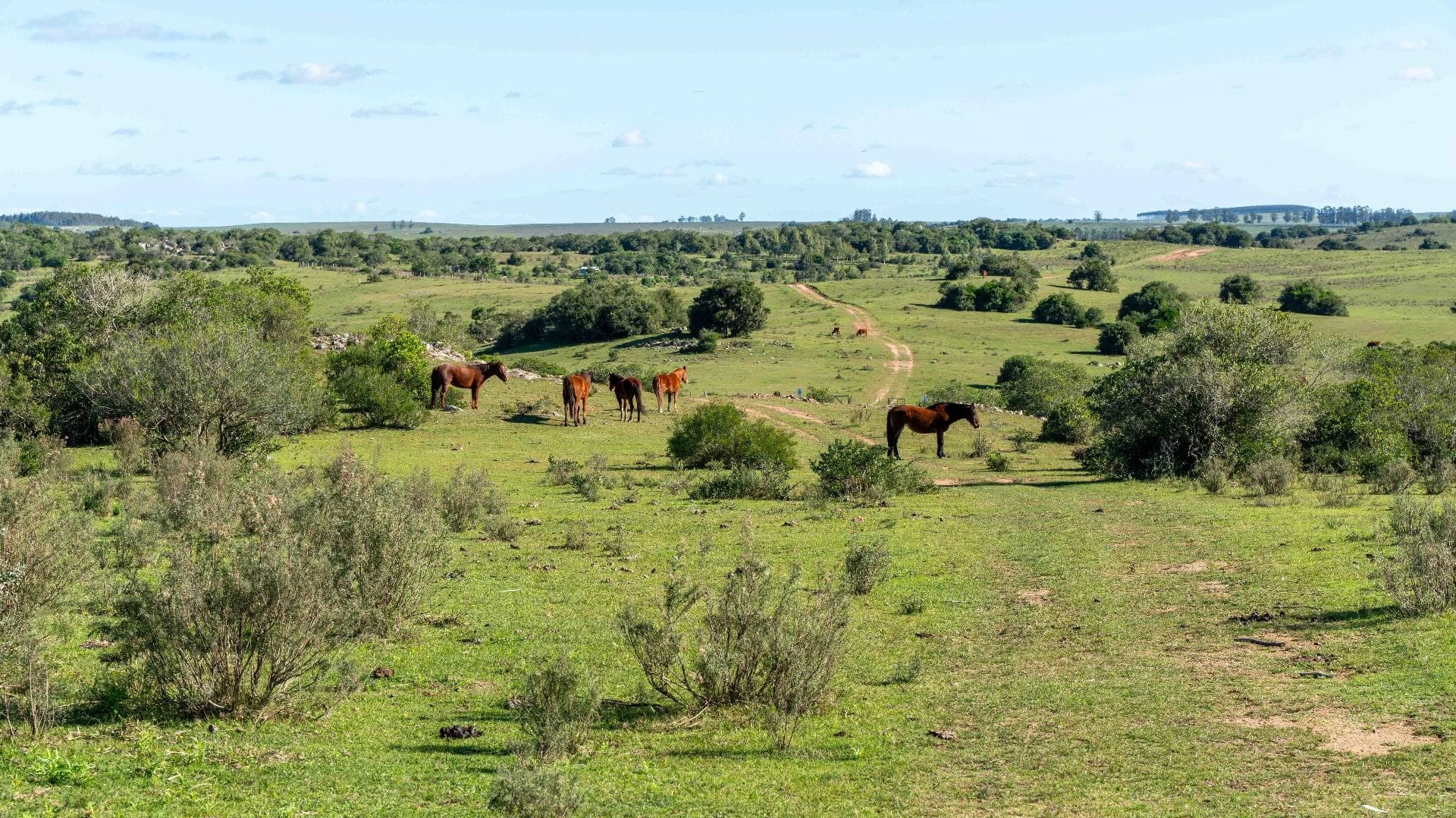
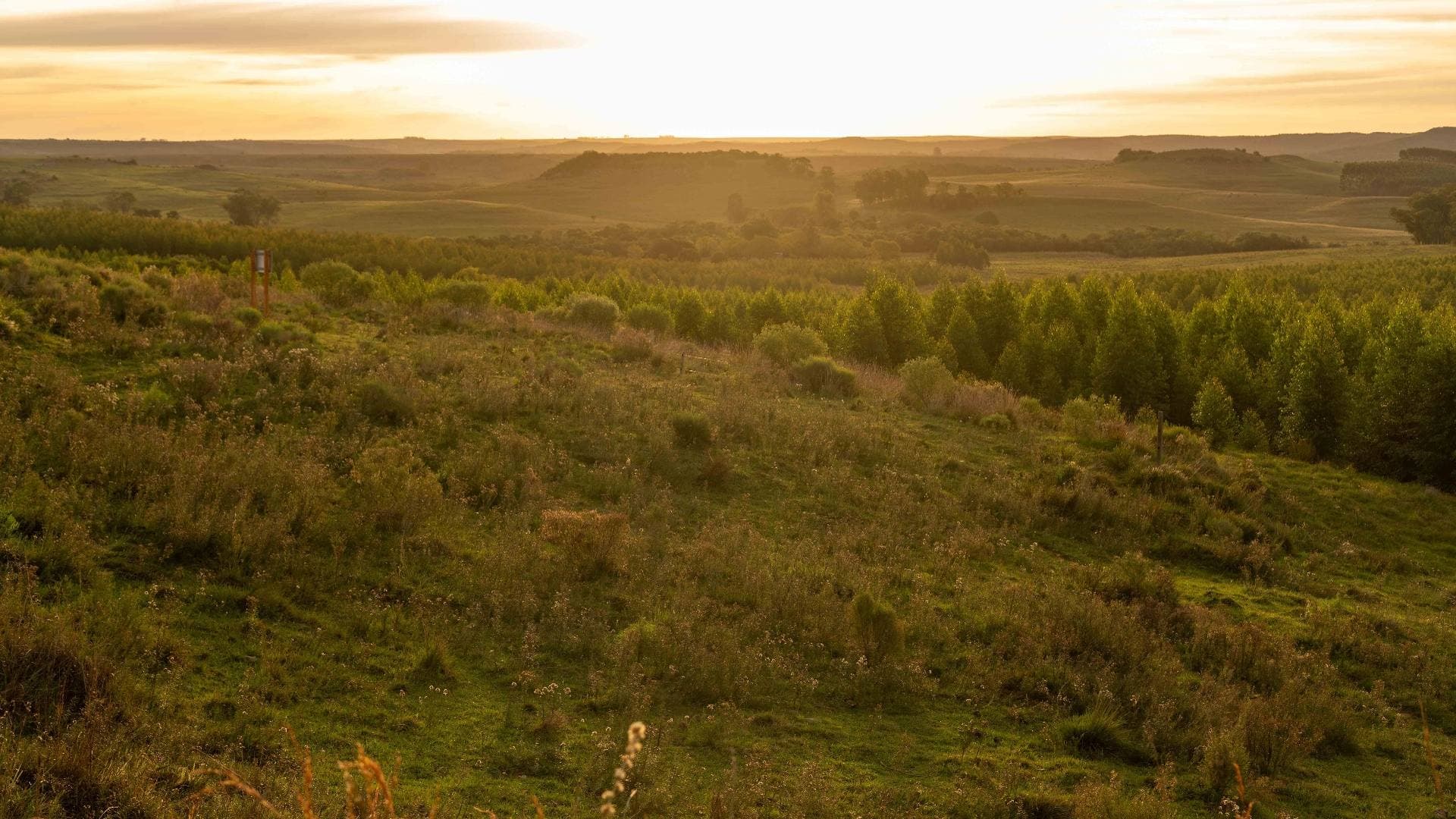
This is a type of woody vegetation that develops on rocky hills, with the particular feature of covering different topographic positions. It is often continuous with other forest types, such as riparian forest, ravine forest or park forest.
Did You Know...
The Most Extensive Forest
It is probably the most extensive type of forest in Uruguay, since it grows in hilly areas, that is, areas associated with hills and stony ground. Because of these features of the site, the trees do not reach large dimensions and, in general, they have a stunted appearance and form a closed canopy that makes it difficult to move between them.
A Story of Recovery
In the past they were under heavy pressure from charcoal production. Later on they began to recover and, today, owing to changes in sheep stocking rates, for example, a significant advance can be seen in some parts of the country. Even so, the impact of those past interventions can still be noticed in many cases, since most of the trees are resprouted specimens (that is, with many stems), whereas in an undisturbed forest most trees have a single stem.
Protectors of Soil and Water
They play an important role in protecting the soil, since they grow in areas with steep slopes where heavy rainfall could have a major impact on it (erosion). What is more, because they grow in many areas where watercourses have their source, they play a key role in protecting river basins and in supplying good-quality water.
Typical Species of this Ecosystem
Pajonalera de Pico Curvo
Limnornis curvirostris
A small bird endemic to the region's wetlands and reed beds. The Curve-billed Reedhaunter is characterised by its reddish-brown plumage and its distinctive downward-curved bill, a unique adaptation for feeding among the reeds. It lives exclusively in tall grasslands and marshlands, where it searches for insects and small invertebrates. It is an indicator species for the health of wetlands.
Capuchino de Boina Gris
Sporophila cinnamomea
A small grassland passerine
Volatinero
Volatinia jacarina
A small bird. The male is a glossy blue-black. It rises and falls in short flights while singing. It inhabits grasslands, open fields and roadsides. Its main threats are the loss of grasslands and the intensive use of agrochemicals. Maintaining grasslands and natural field margins favours its presence.
Test what you learned
Teaching Materials
Downloadable materials
Fact sheets, guides and printable resources about this ecosystem will be available for download soon.