Ecosystems

Palm groves

5 reserves protect this ecosystem

About the Ecosystem

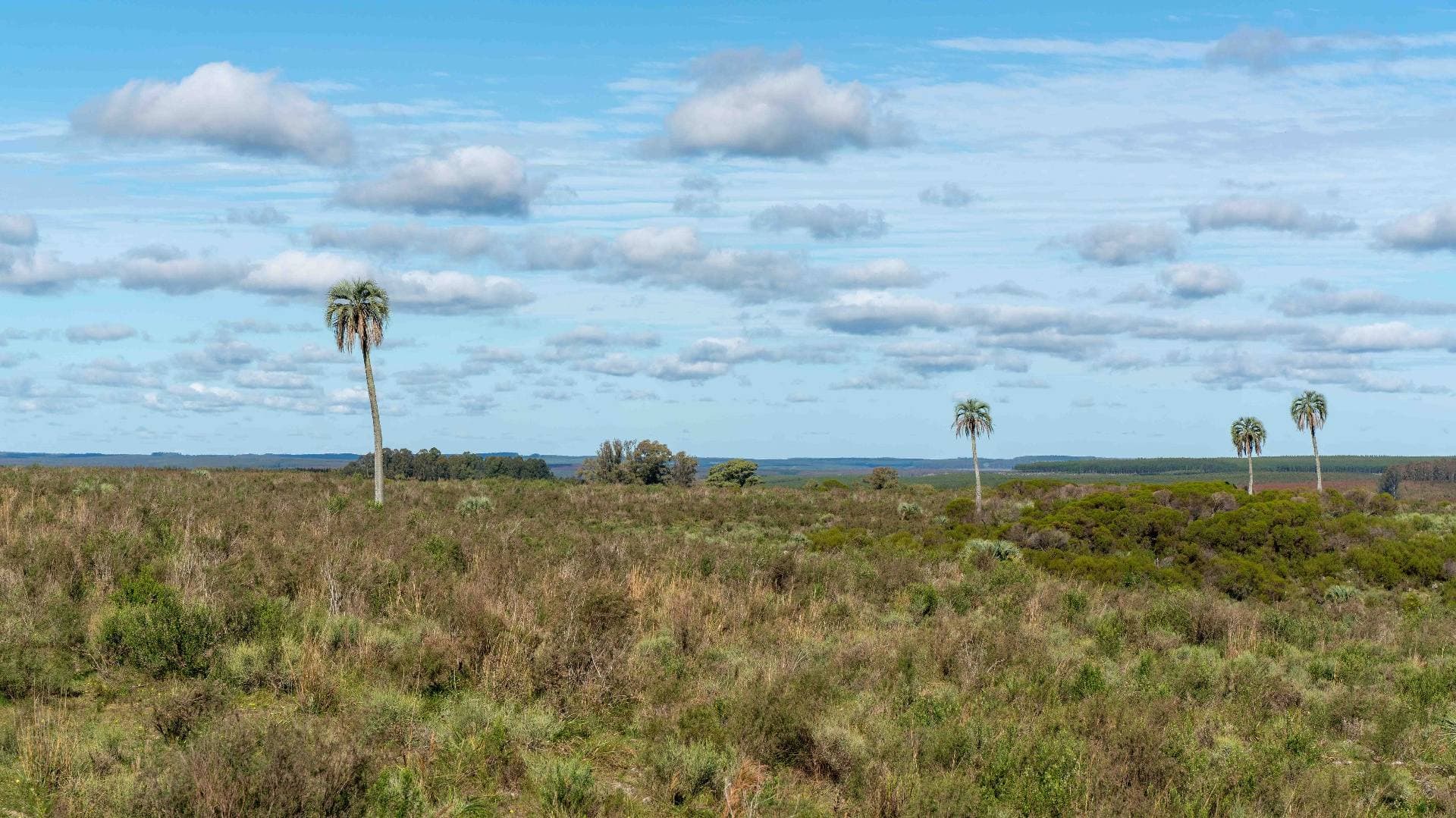
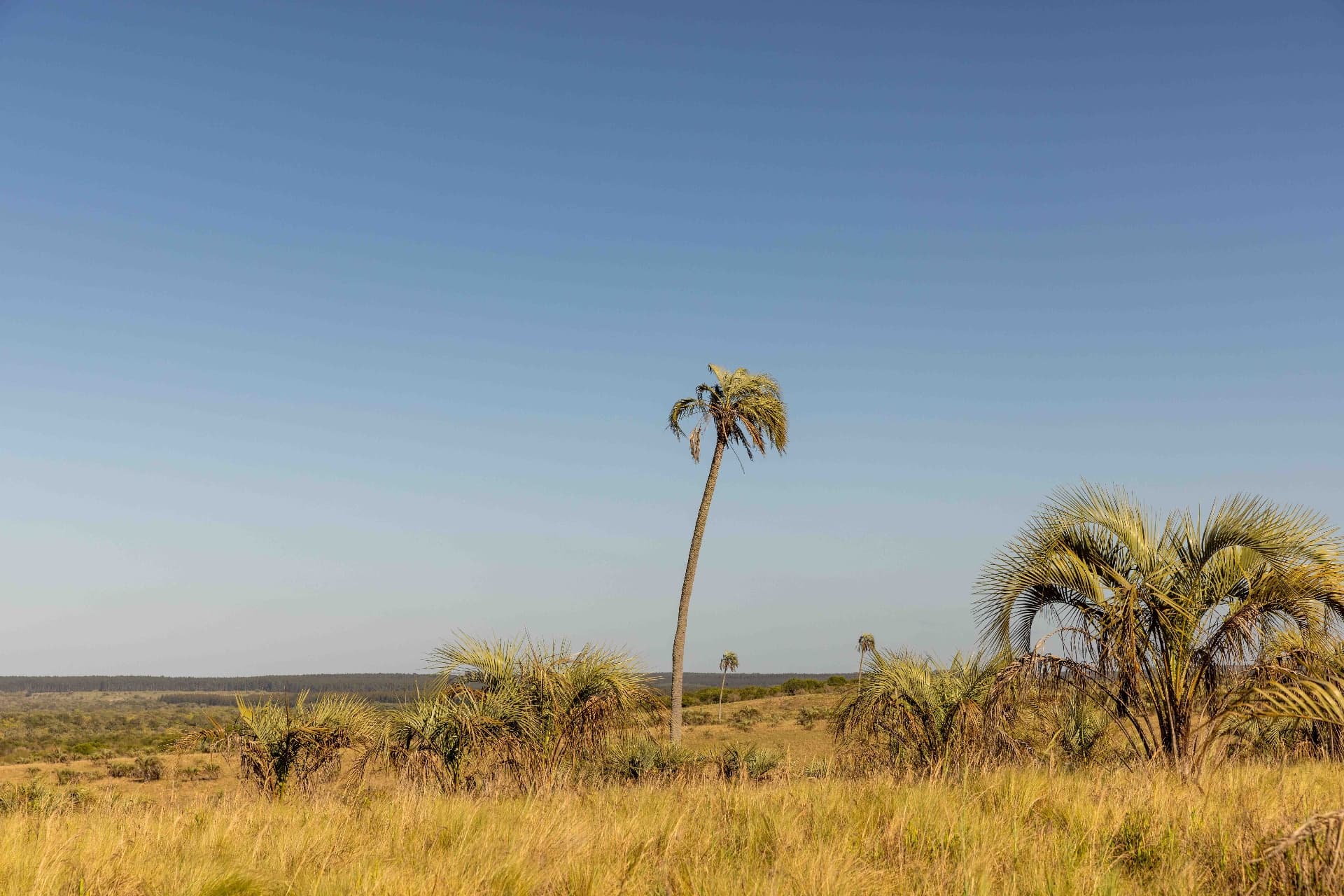
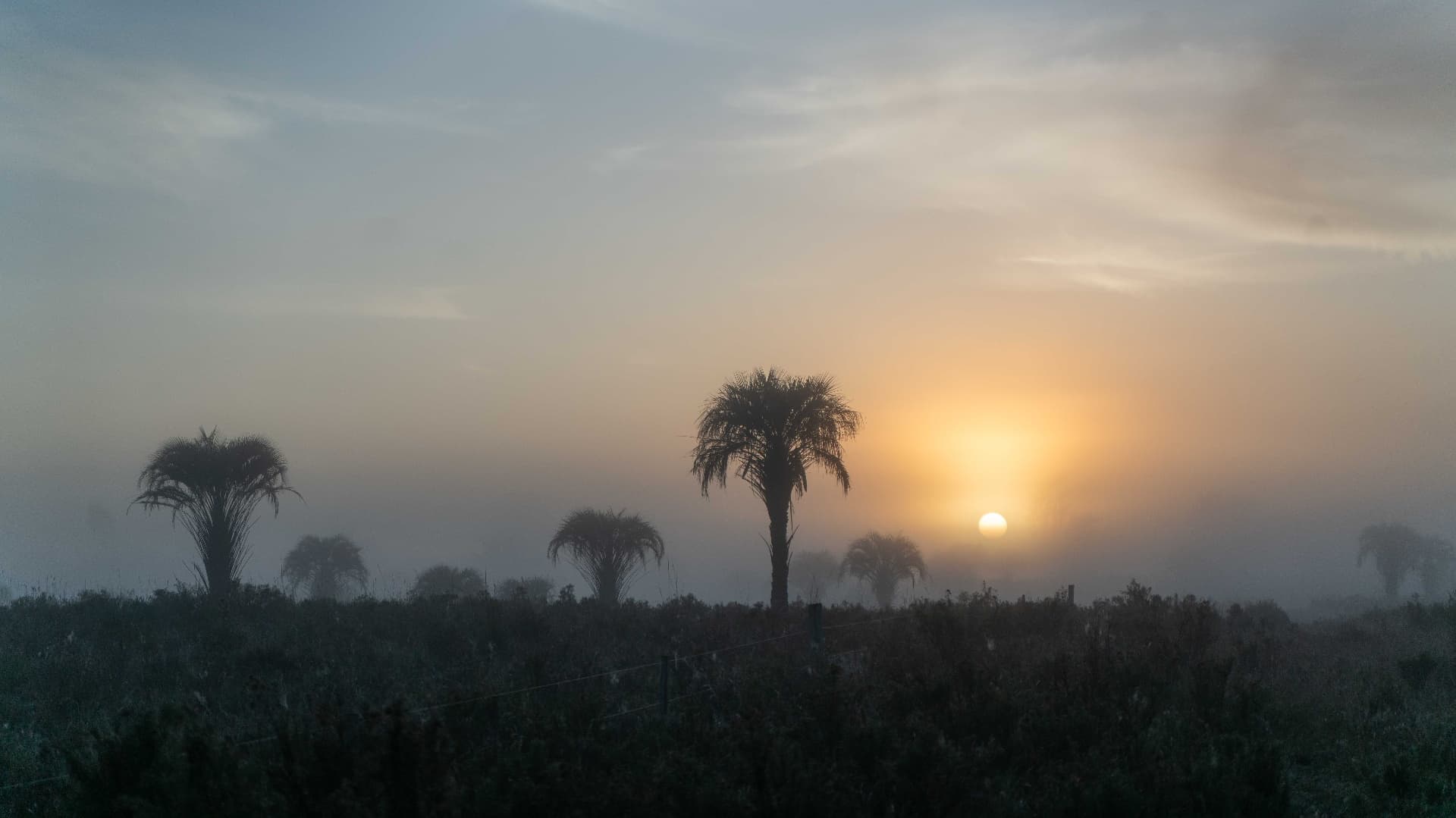
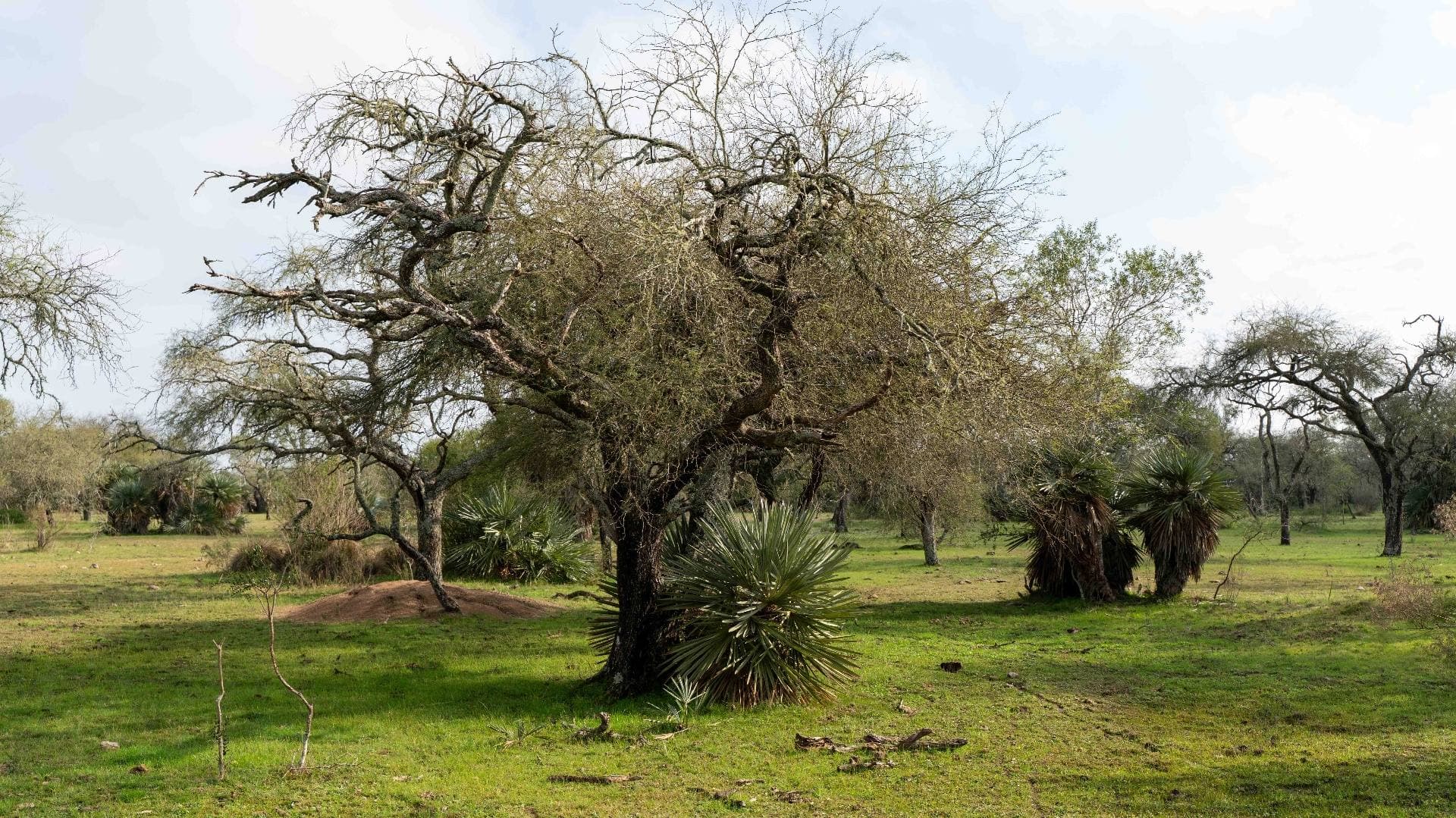
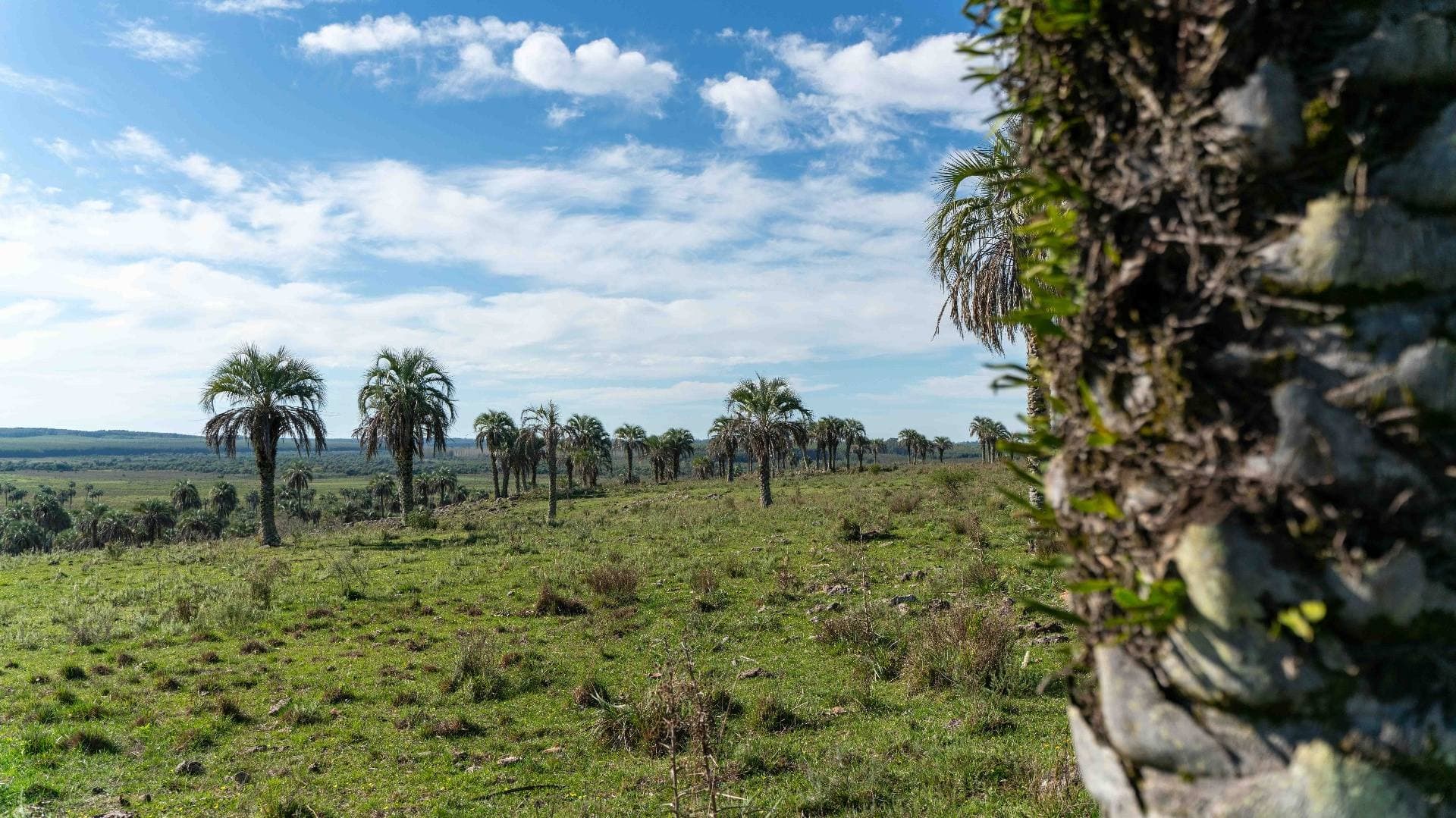
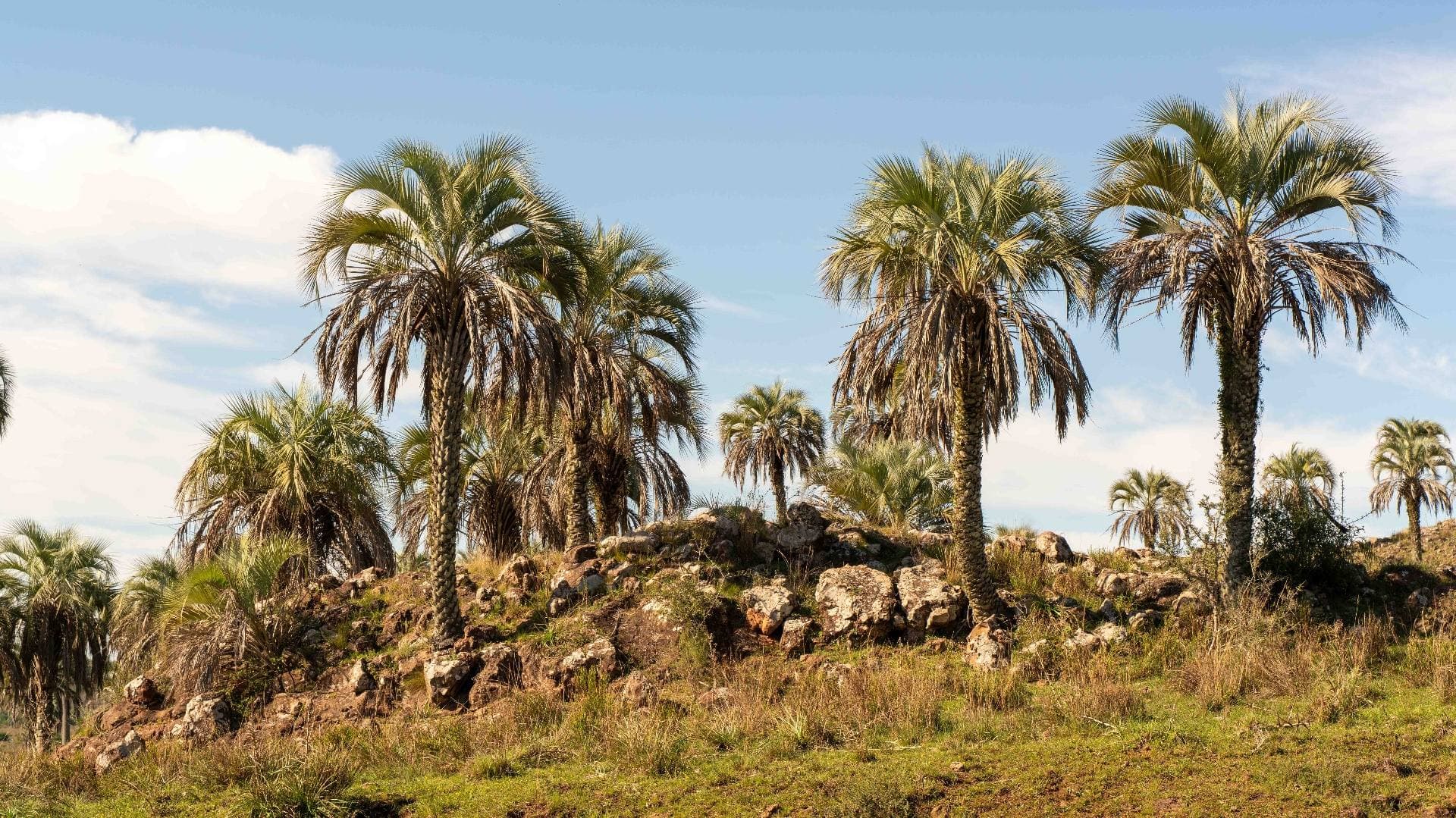
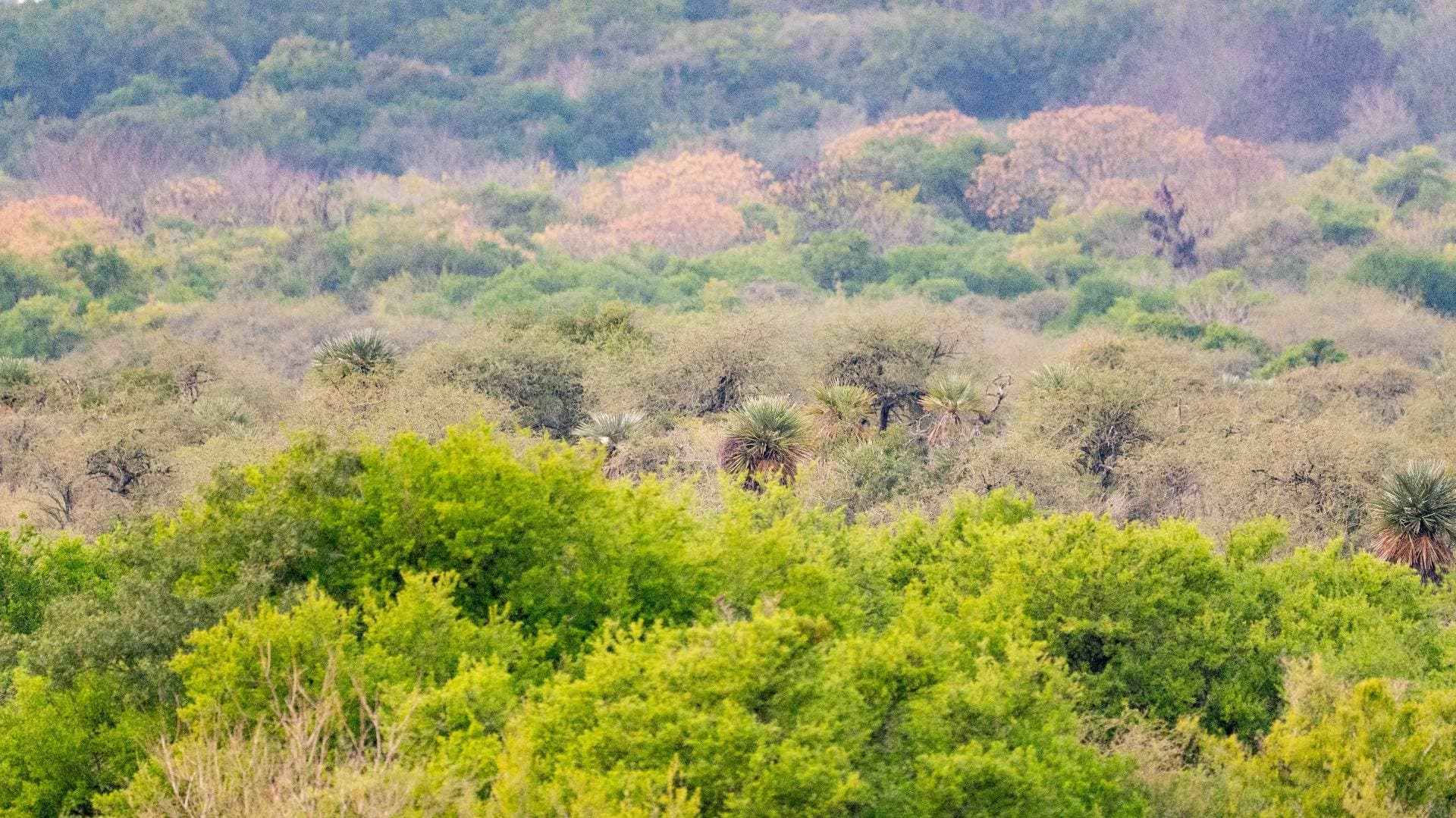
Plant formations where a palm species is the dominant element of the landscape, though not the only one: many palm specimens can be seen within a matrix of natural grassland or scrub. In Uruguay, two species give rise to the most extensive palm groves: Butia odorata (jelly palm) in Rocha, and Butia yatay (yatay palm) in Río Negro and Paysandú. There are also small palm groves of Butia paraguayensis (dwarf yatay palm) on the flat-topped hills of Rivera, and of Thritrinax campestris (caranday palm) on the alkaline flats of the western littoral.

Did You Know...

Regeneration Problems

Many palm groves have regeneration problems: they are made up mainly of adult and over-mature individuals, and their regeneration is hindered by the productive management of the area. The palm groves we see today could be the last ones if conservation measures are not taken.

Centuries-Old Palms

Some butiá palms can live for more than 500 years. The palm groves we see today began growing when the Spanish were arriving in America.

Recovery Potential

The species Butia yatay (the one found along the litoral) has great regeneration potential, and abundant palm groves can be created simply by regulating the number of livestock on the site.

Test what you learned

Teaching Materials

Downloadable materials

Fact sheets, guides and printable resources about this ecosystem will be available for download soon.
Ecosystem Gallery