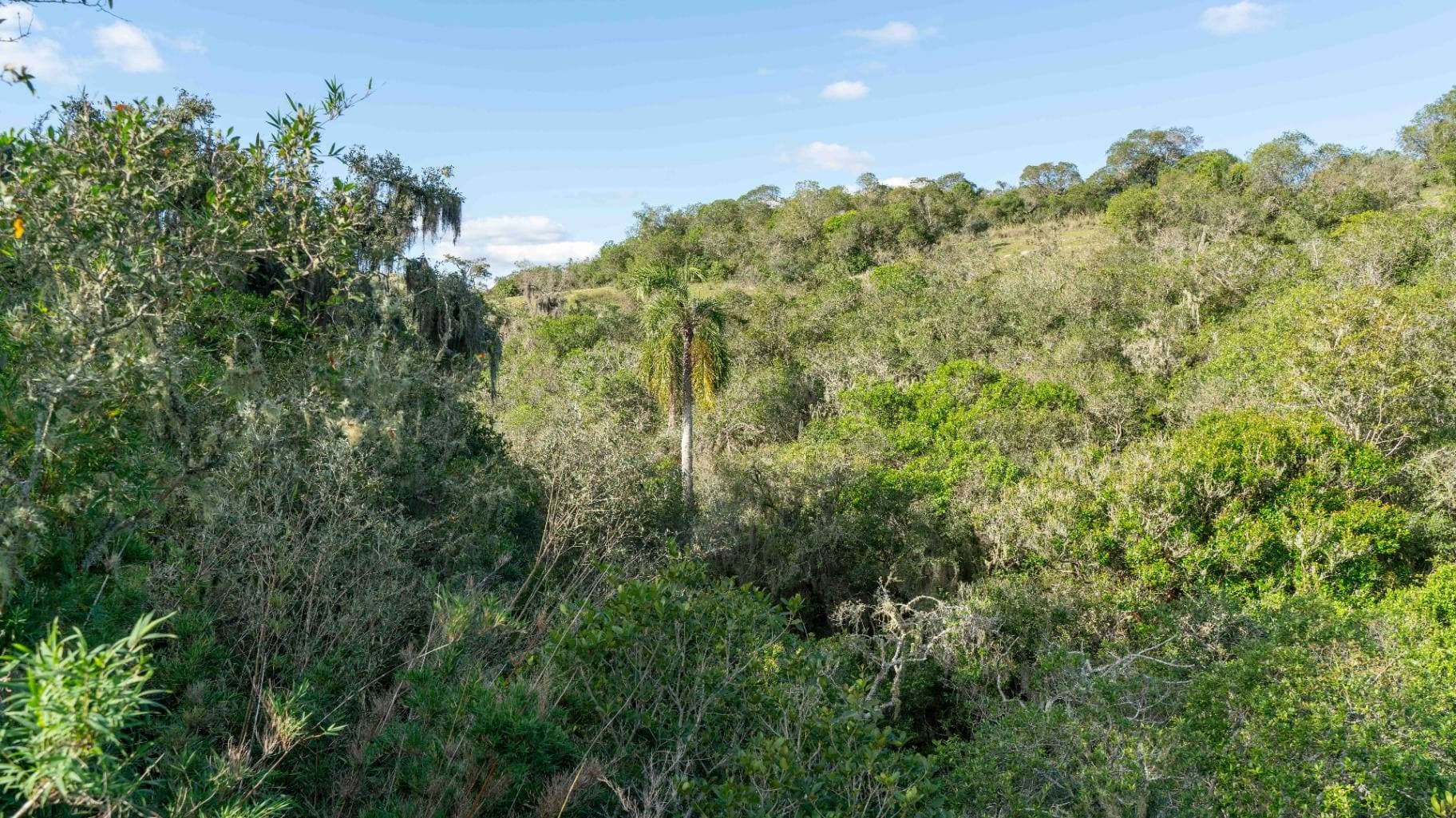
Quiebrayugos II
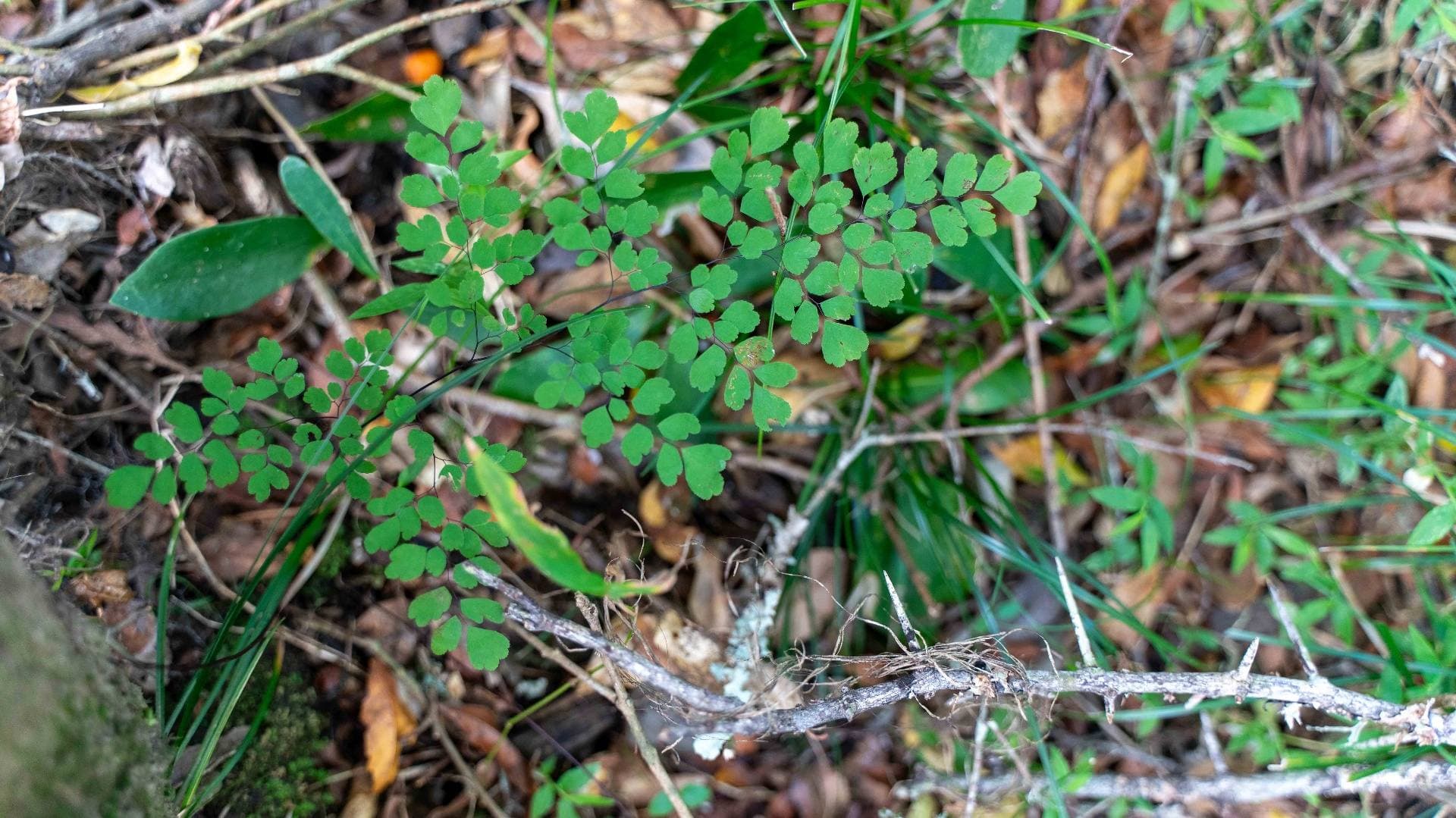
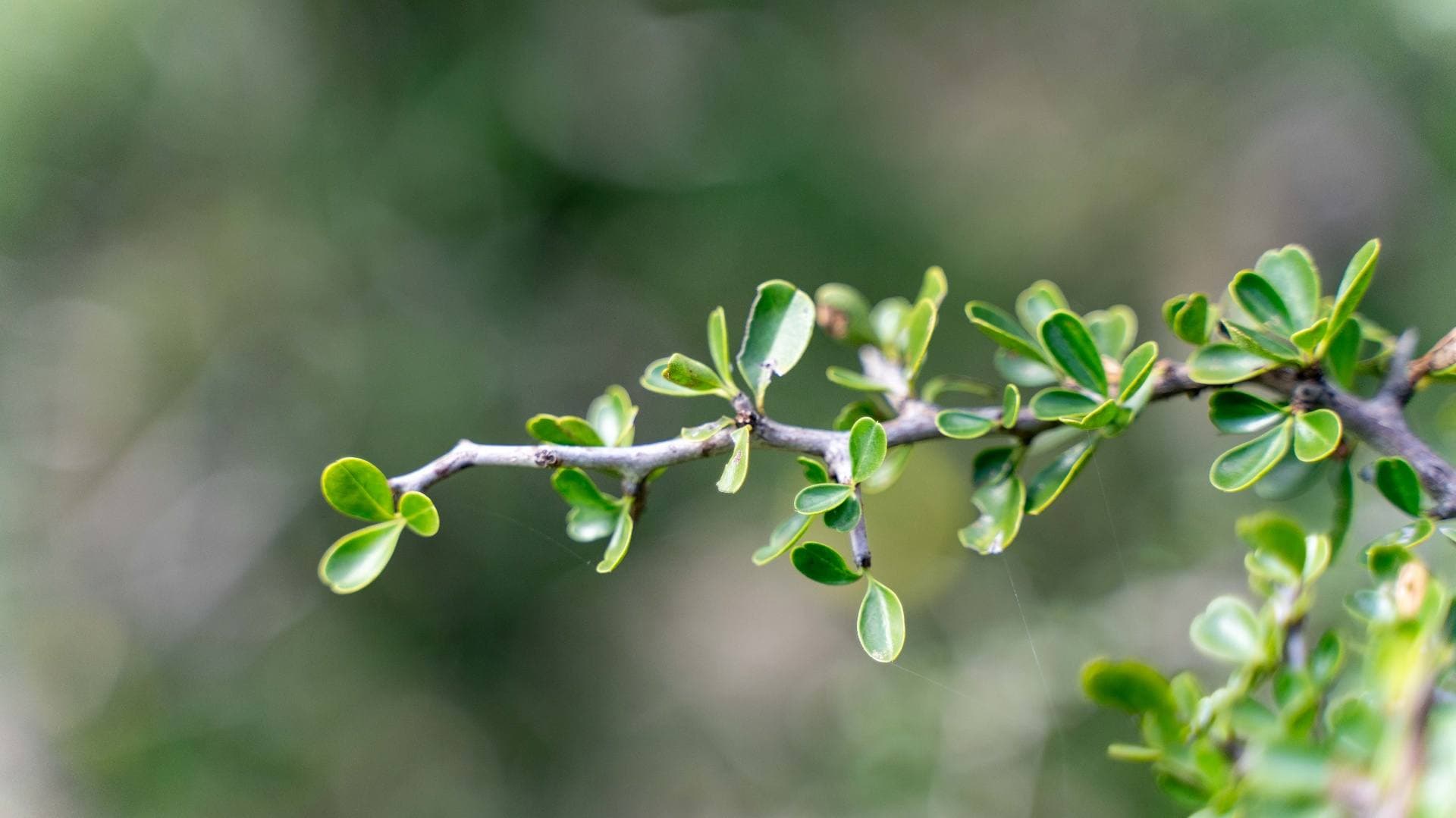
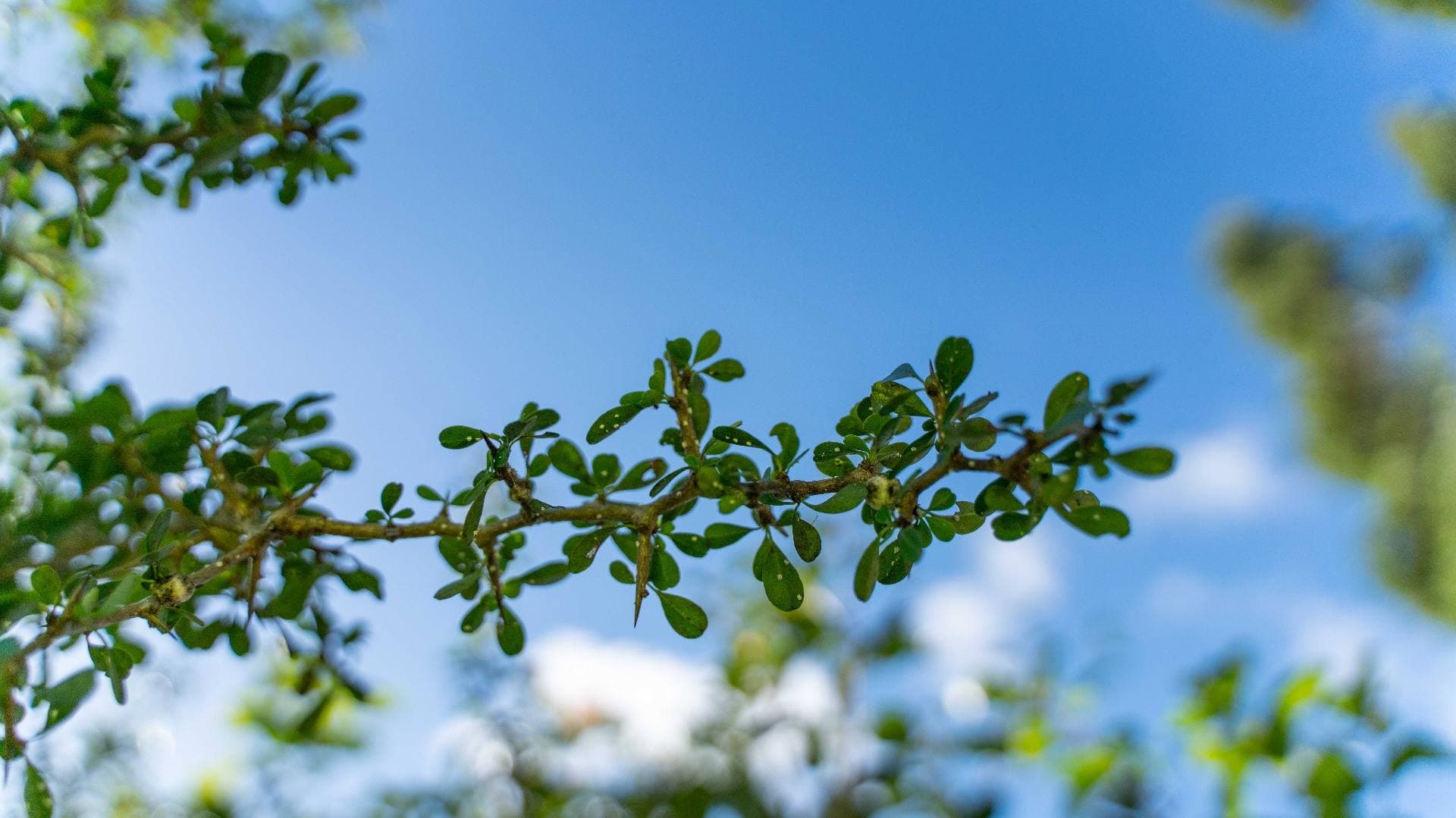
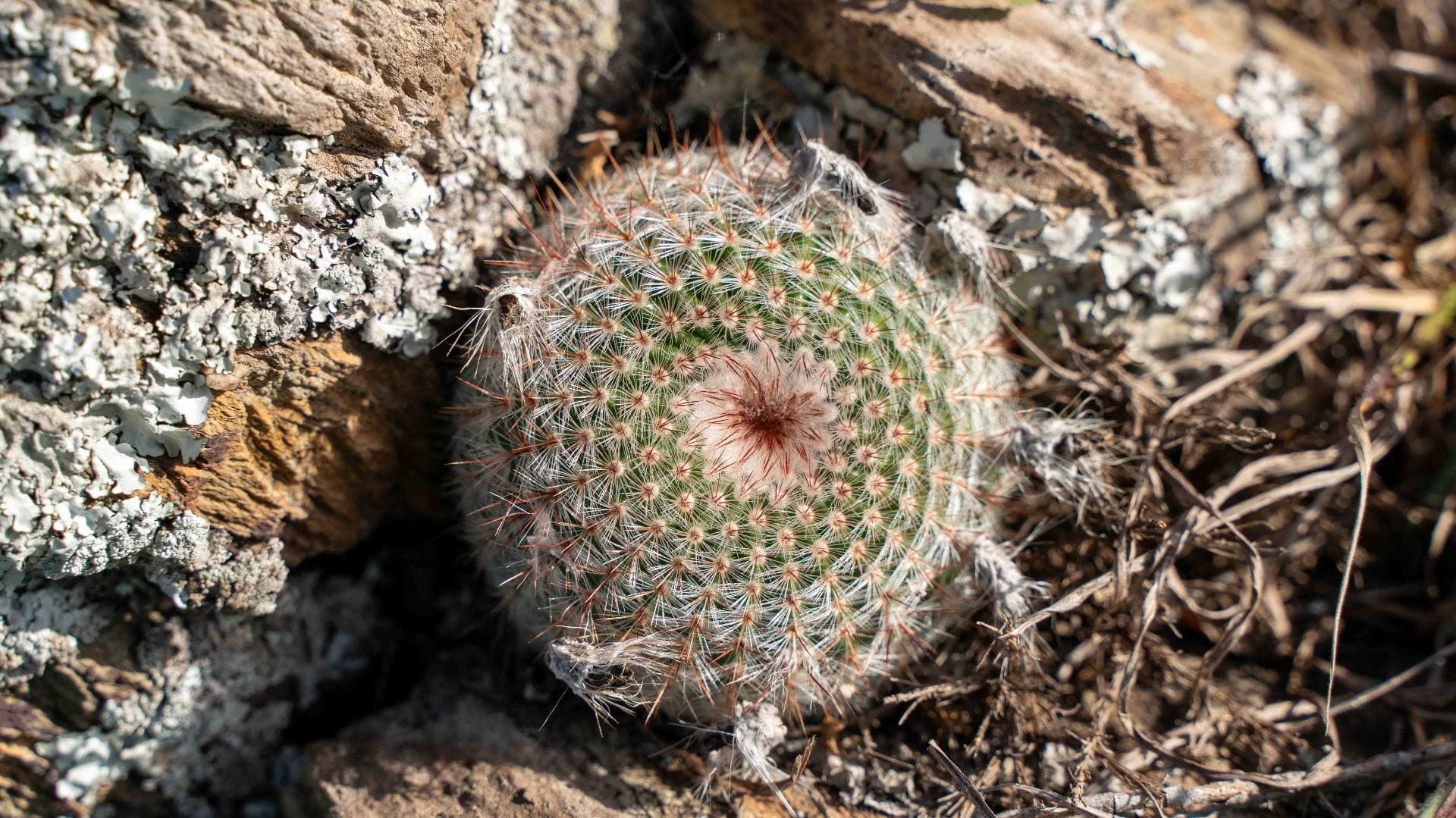
Very close to the Quebrada de los Cuervos y Sierras del Yerbal protected area, this reserve protects a high diversity of plant and animal species, including populations of some prickly pear cacti that are unique in the country.
About the reserve
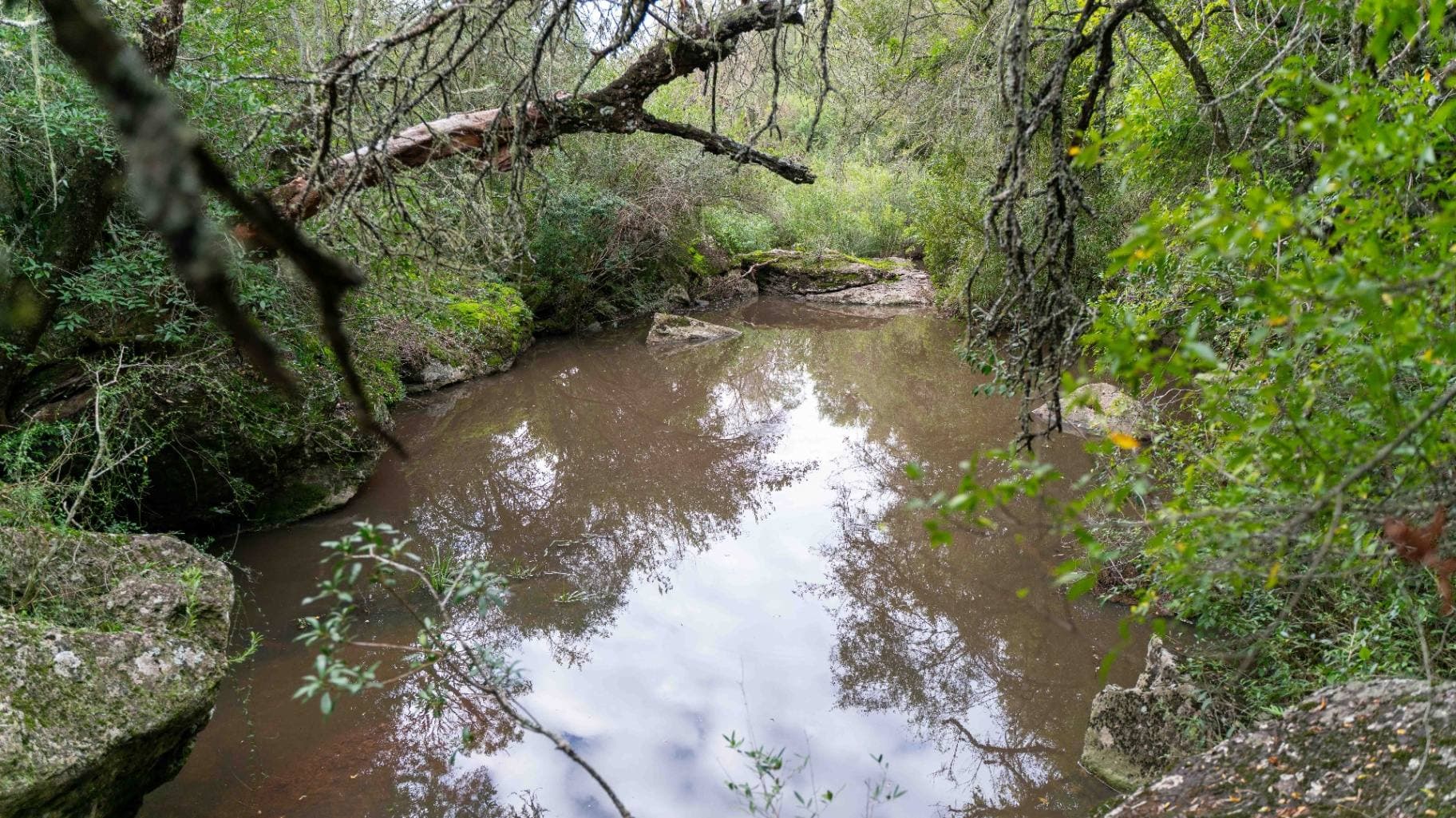
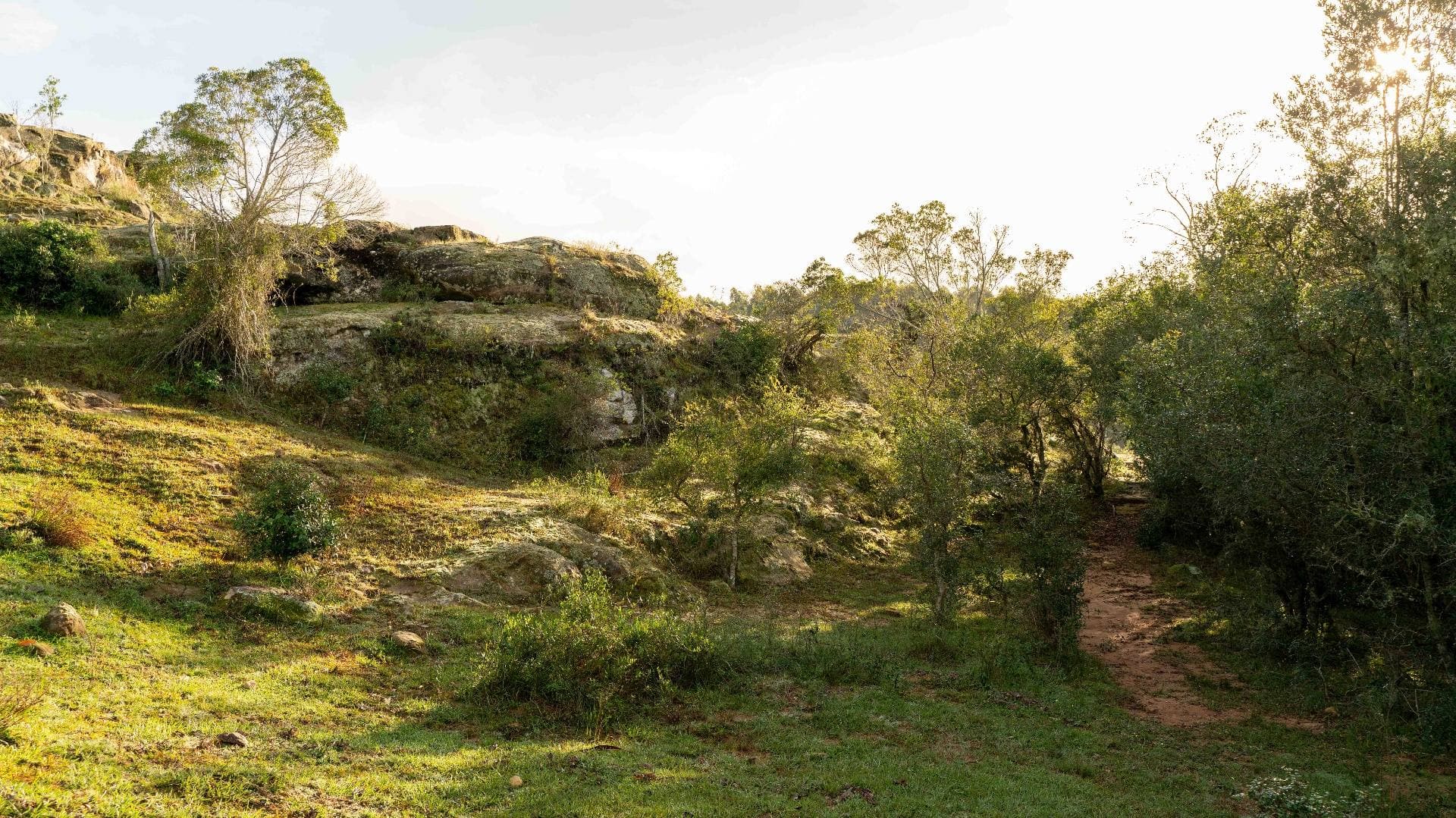
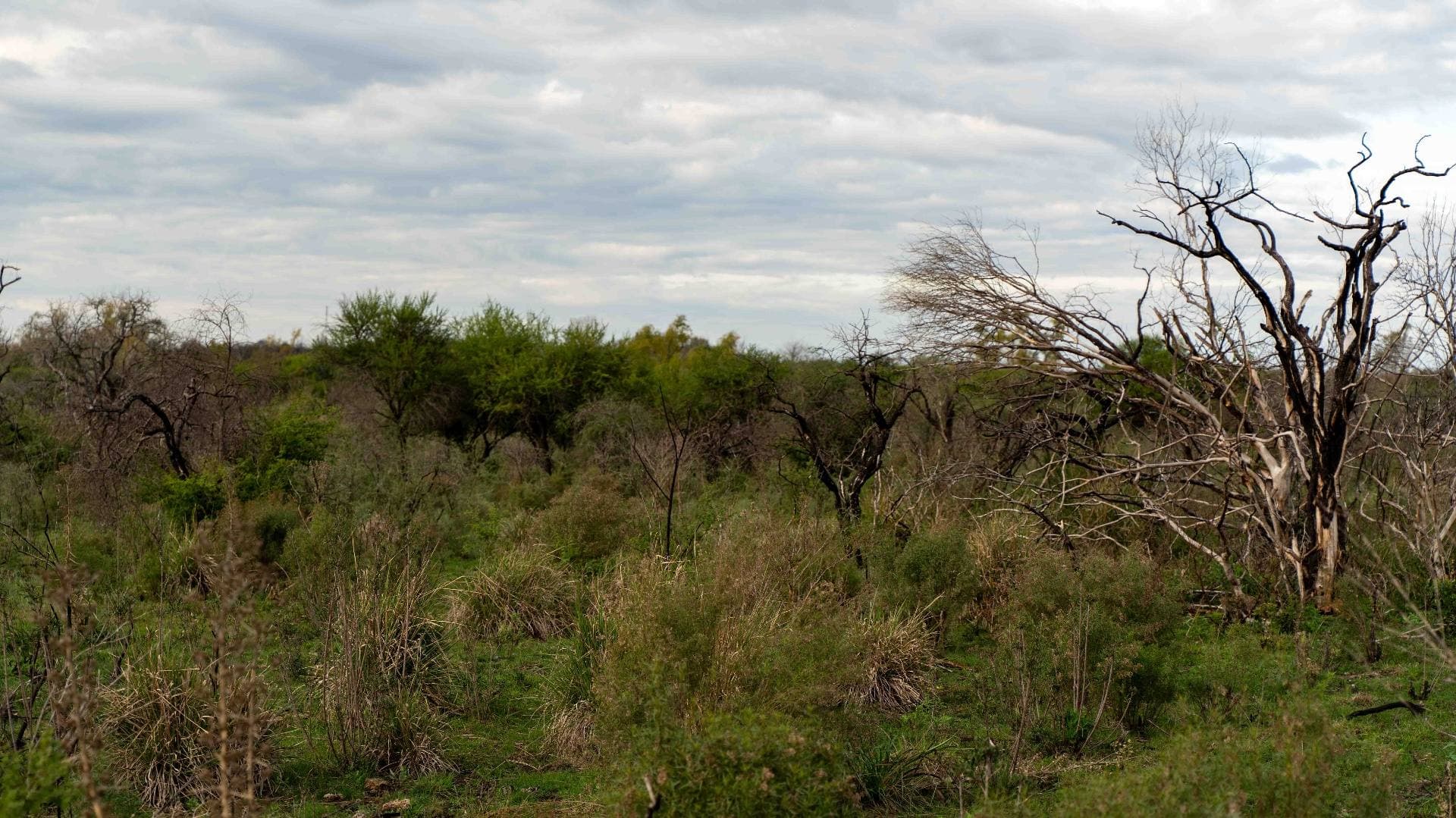
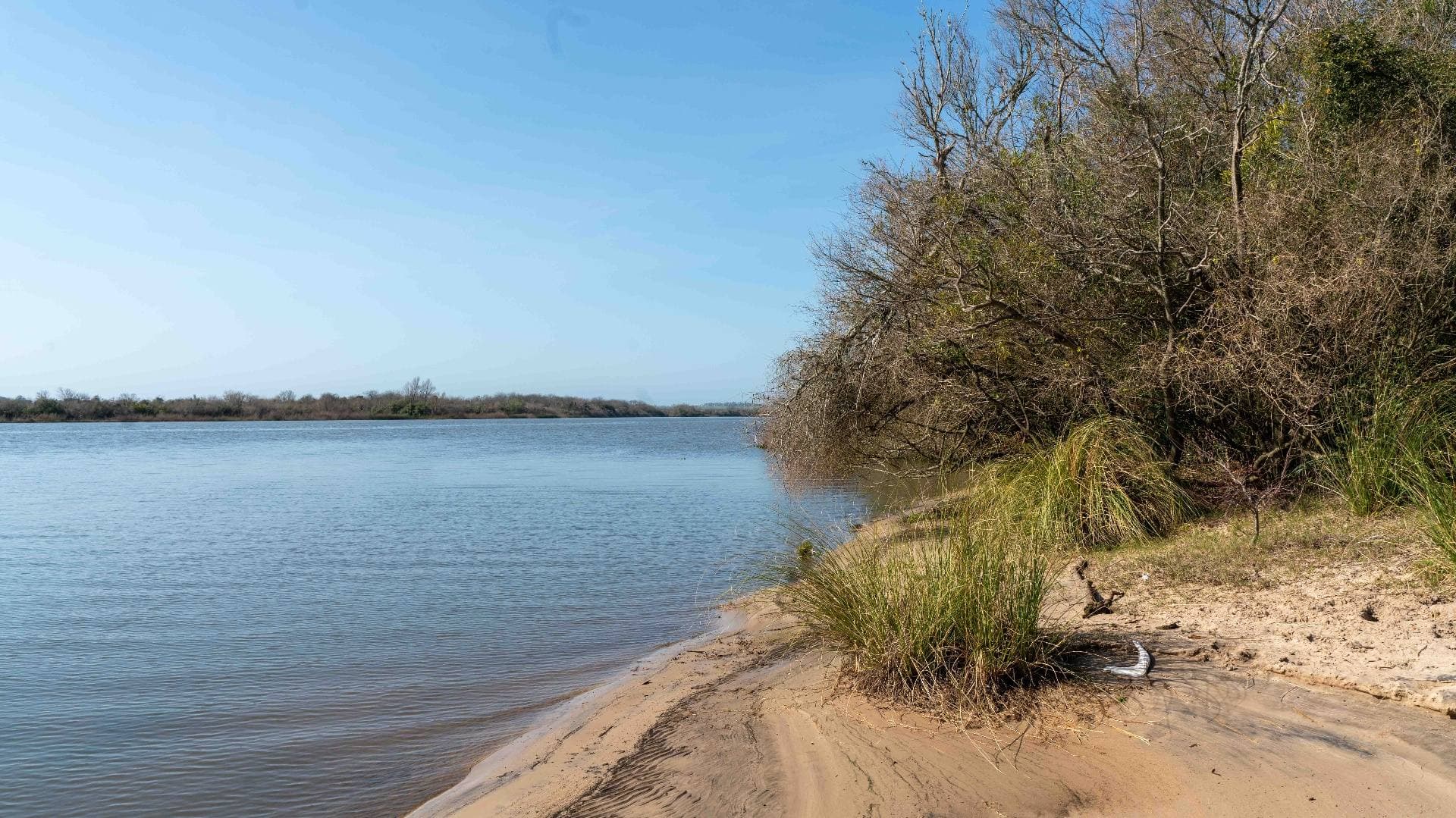
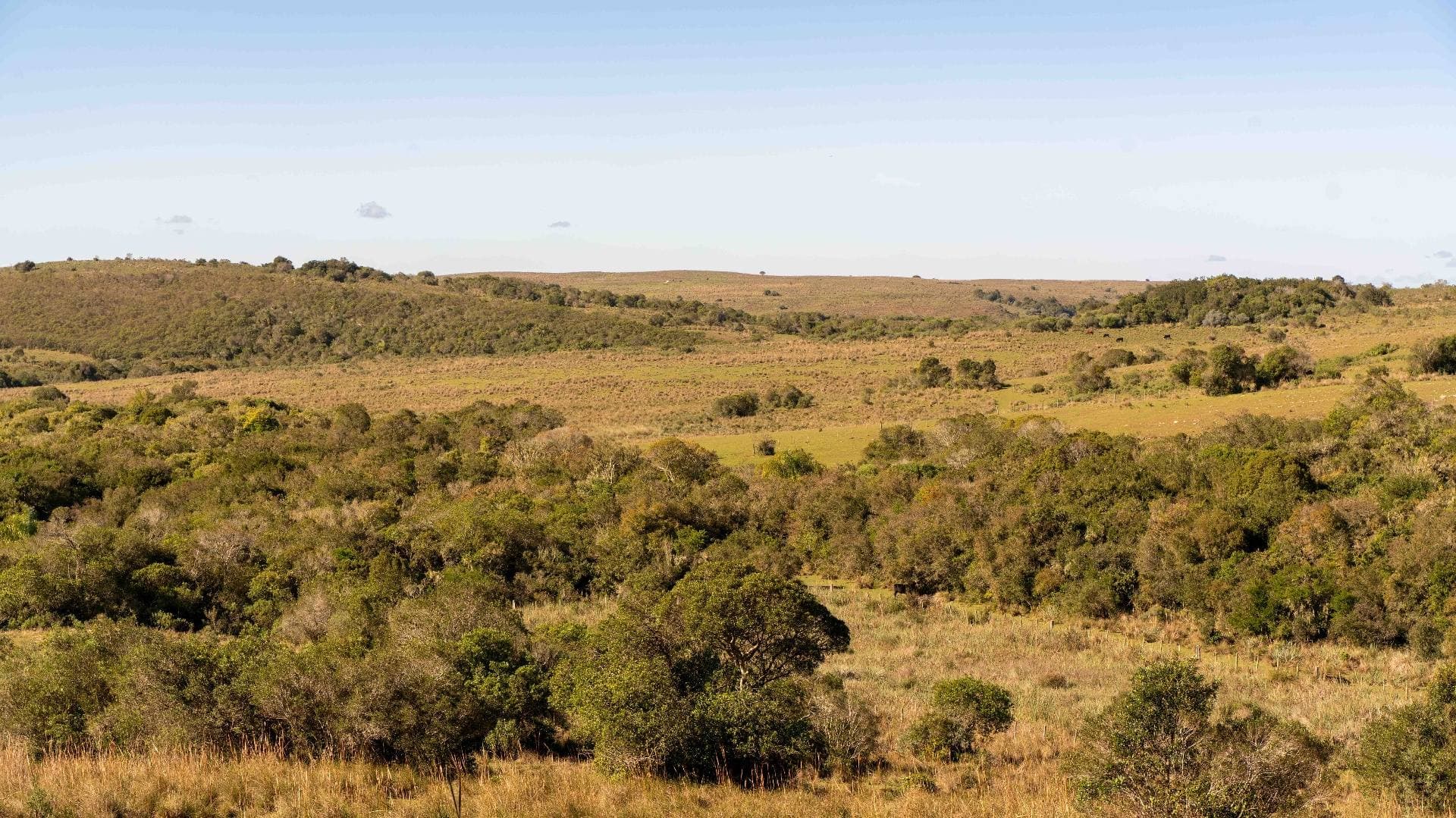
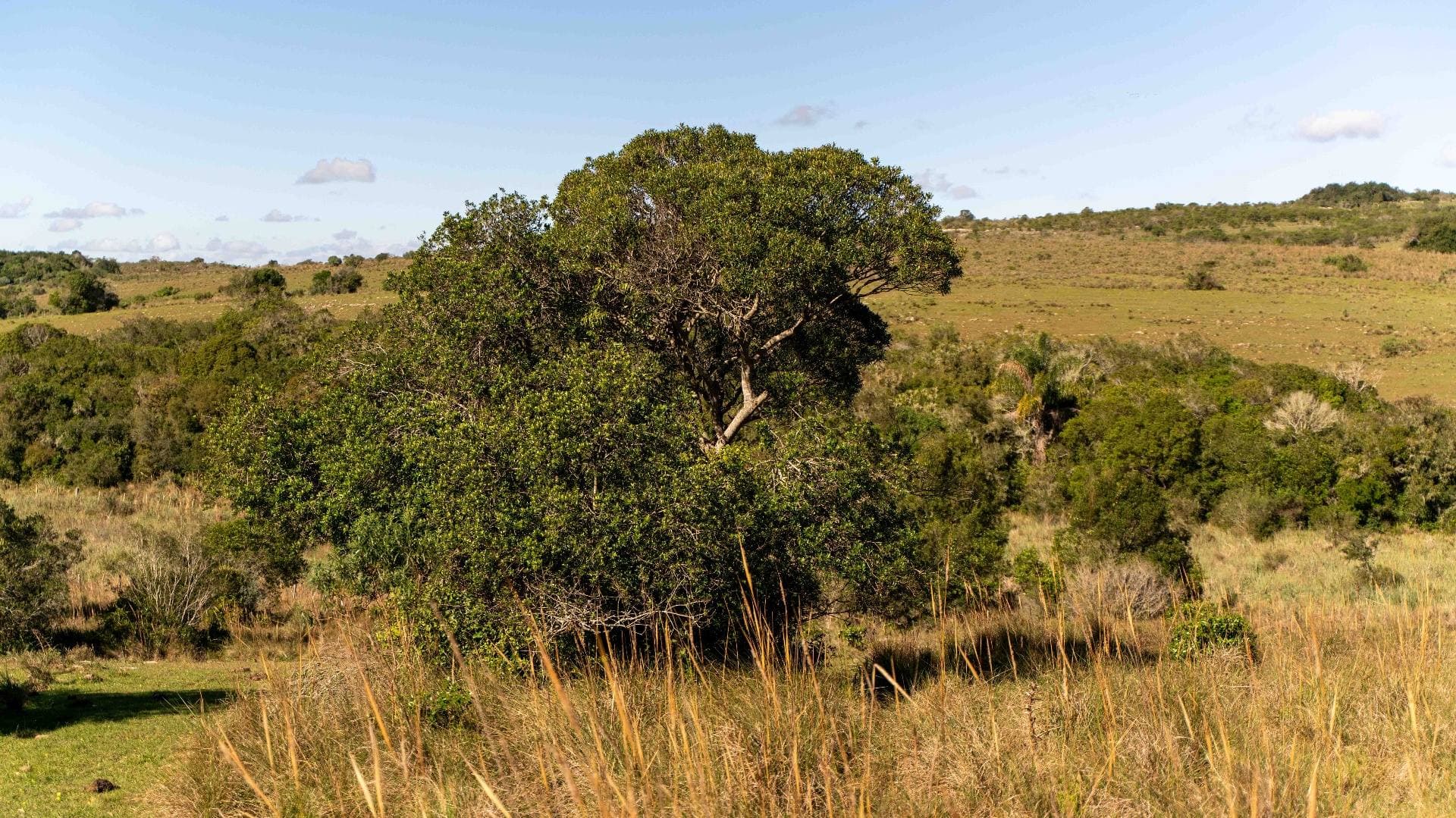
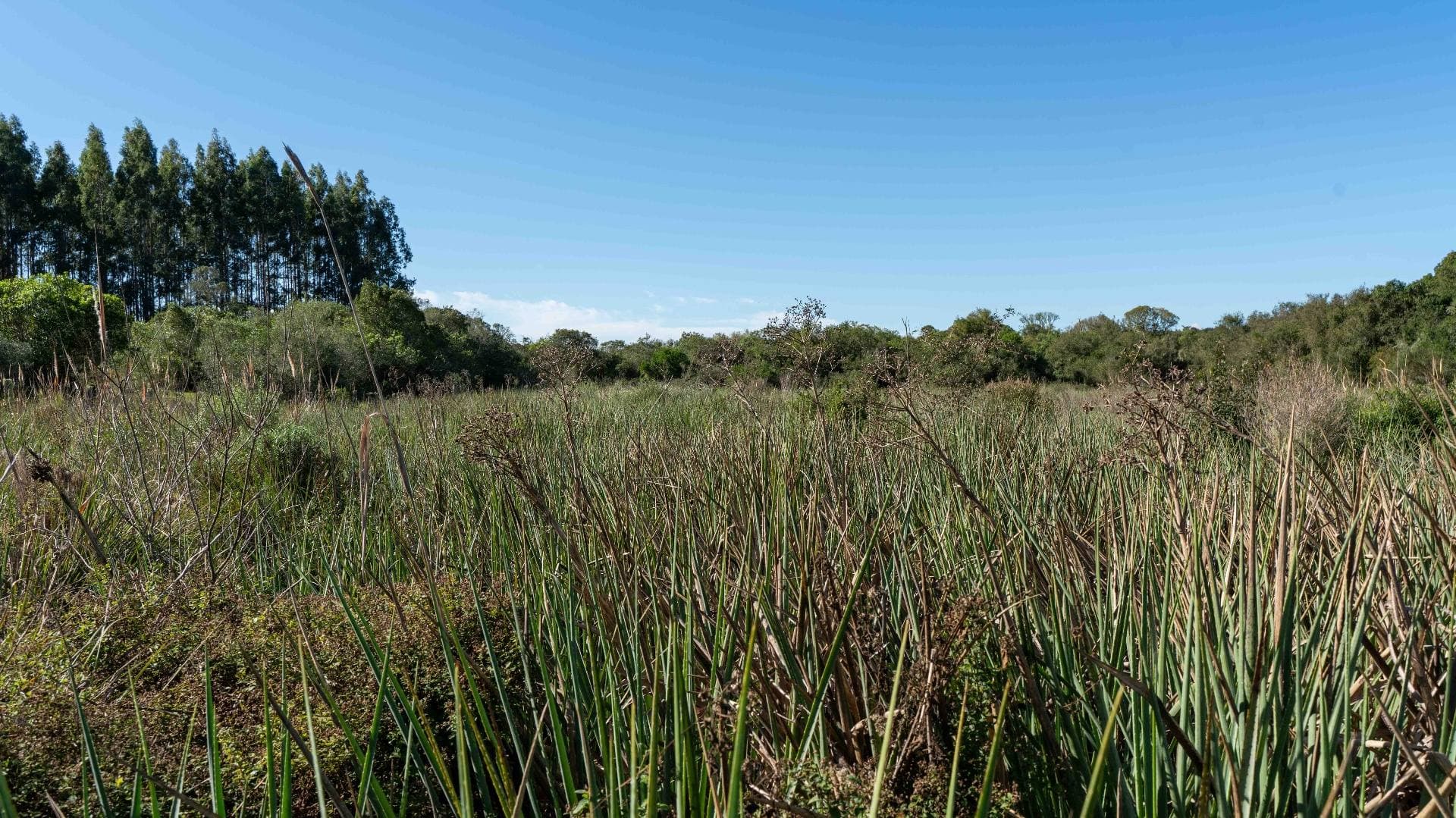
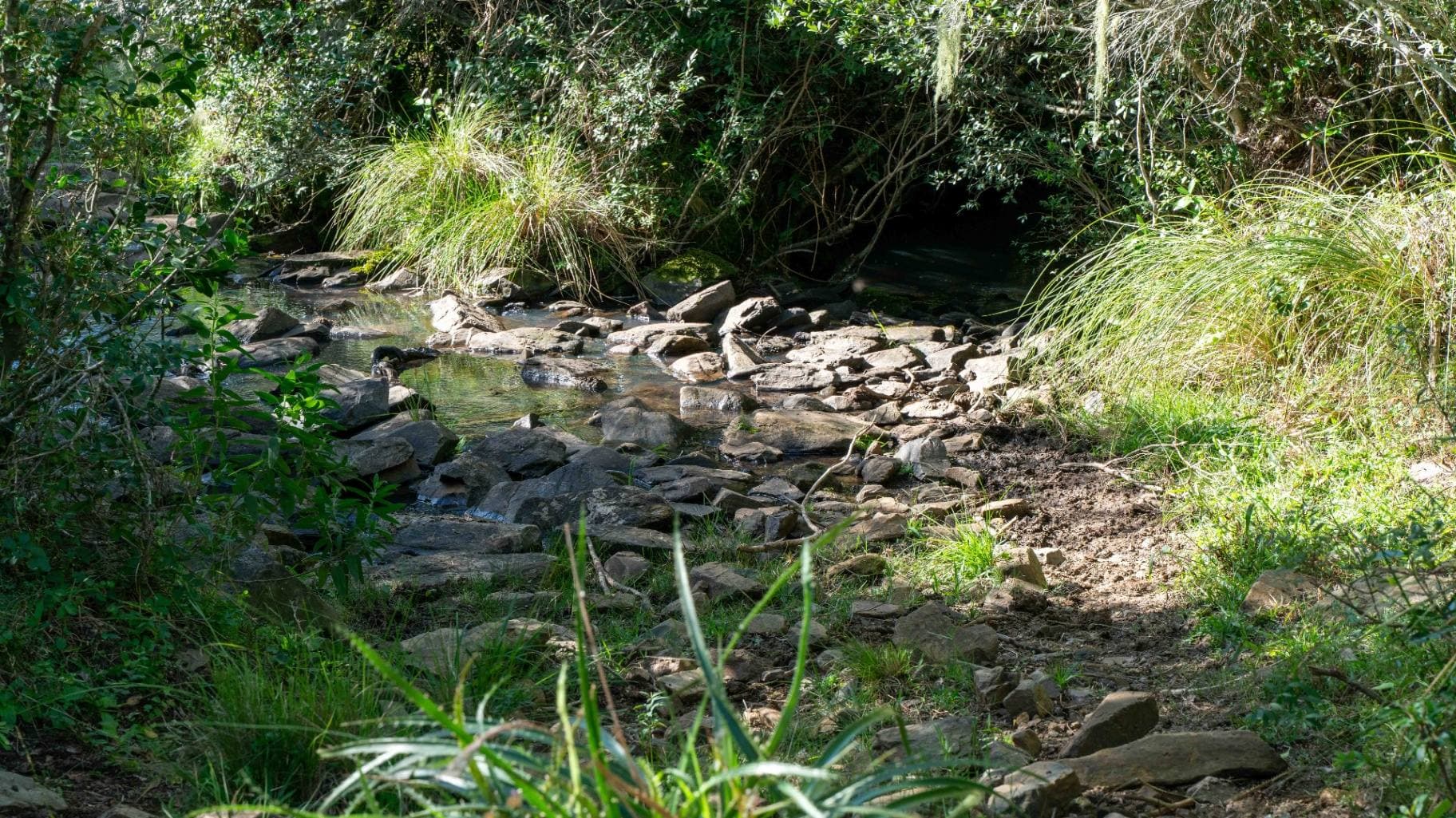
Although it is not very large, the reserve includes ravines, marshes, riparian forests and natural grasslands.
This reserve does not welcome visits
For conservation reasons, this area is not open to the general public.
Would you like to arrange an educational visit? Get in touchKey features
Biodiversity recorded in Quiebrayugos II
Featured species
Featured species of Quiebrayugos II
Yaguatirica
Leopardus wiedii
EndangeredA cat similar in size to a domestic cat, with a very long tail, large eyes and excellent climbing ability thanks to its hind legs, which are adapted to life in the trees. It lives in native forests and gallery forests in the north and east of Uruguay. Its main threats are dog attacks, the loss of native forest and road collisions. Conserving the forest is key to its survival.
Chorlo Dorado
Pluvialis dominica
VulnerableA migratory bird that visits wetlands in summer
Oso Hormiguero Chico
Tamandua tetradactyla
Conservation priorityThe tamandua or southern tamandua is one of the world's most ancient placental mammals, with origins dating back twelve million years. In Uruguay, although it had been theoretically known as part of the country's native fauna since the early twentieth century, it was not seen in the wild until recent times. Today it mainly inhabits the native forests of north-eastern Uruguay, especially in Cerro Largo, Rivera, Tacuarembó and Artigas.
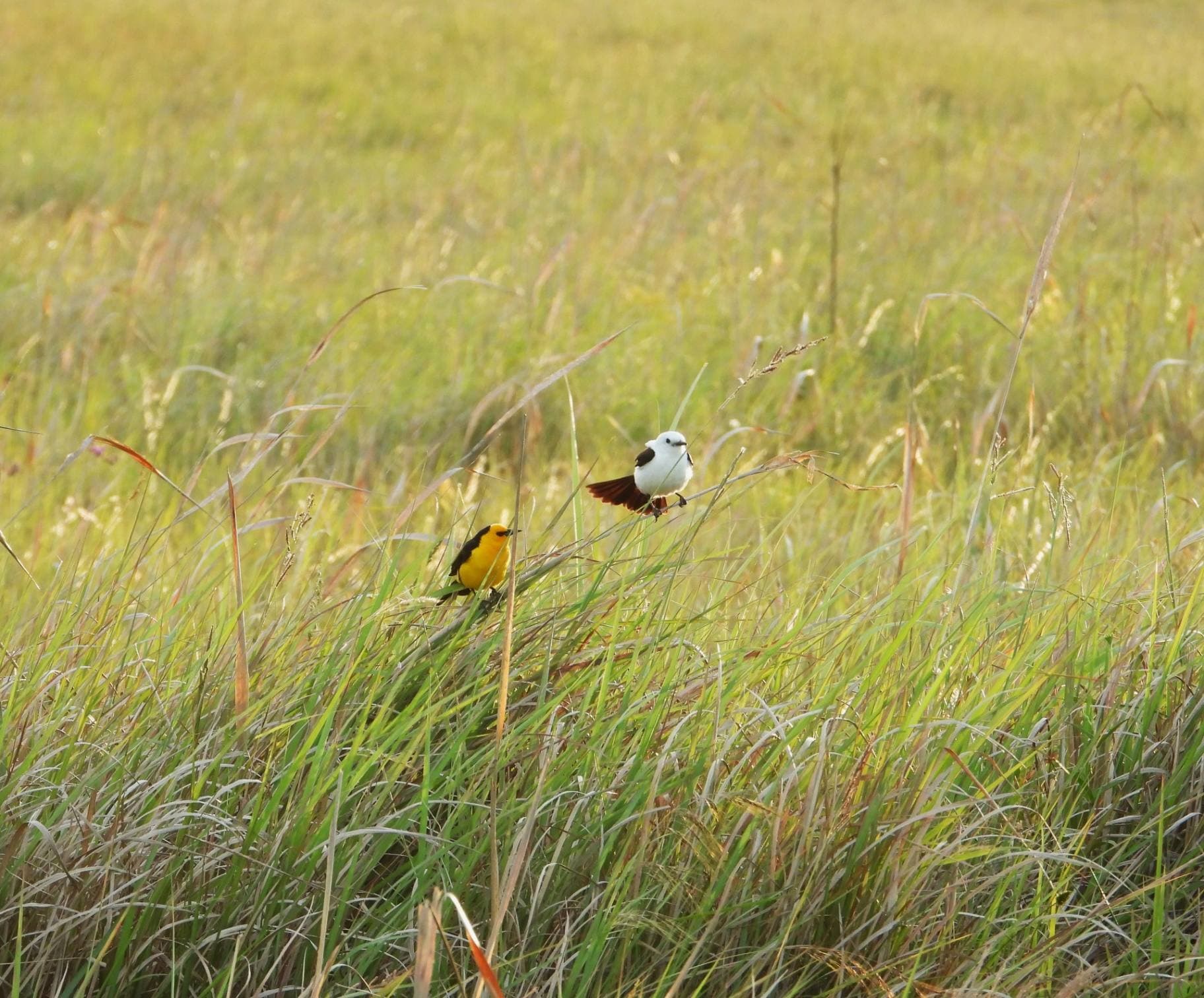
Dragón
Xanthopsar flavus
Pajonalera de Pico Curvo
Limnornis curvirostris
ThreatenedA small bird endemic to the region's wetlands and reed beds. The Curve-billed Reedhaunter is characterised by its reddish-brown plumage and its distinctive downward-curved bill, a unique adaptation for feeding among the reeds. It lives exclusively in tall grasslands and marshlands, where it searches for insects and small invertebrates. It is an indicator species for the health of wetlands.
Hypericum piriai
Hypericum piriai
ThreatenedA herbaceous plant endemic to the region
Senecio mattfeldianus
Senecio mattfeldianus
ThreatenedFlora species that is a priority for conservation
Mimosa dutrae
Mimosa dutrae
ThreatenedA legume endemic to the Uruguayan sierras
Quiebrayugos II in pictures
Landscapes and biodiversity of this reserve