Ecosystems
Wetlands
About the Ecosystem
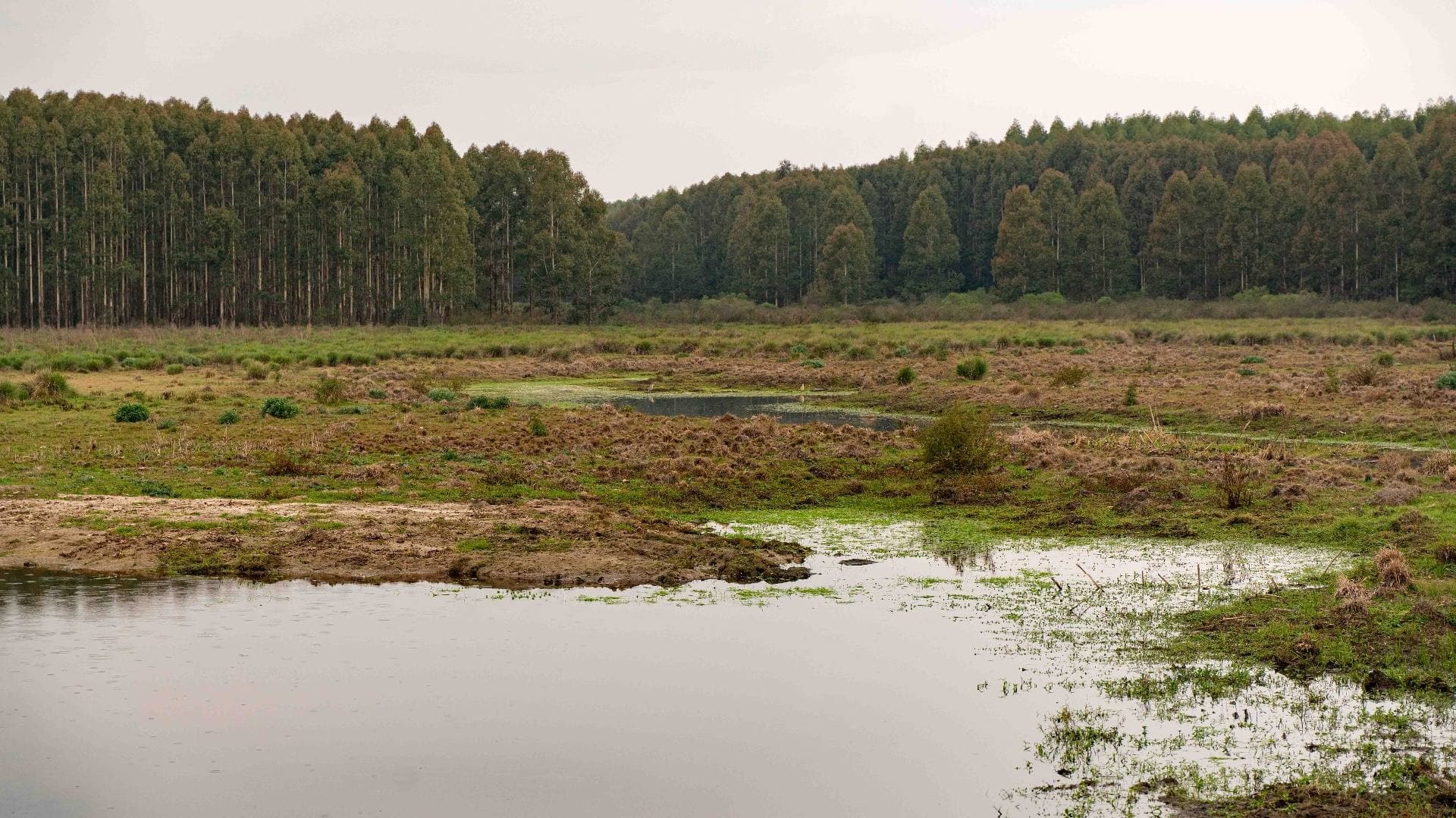
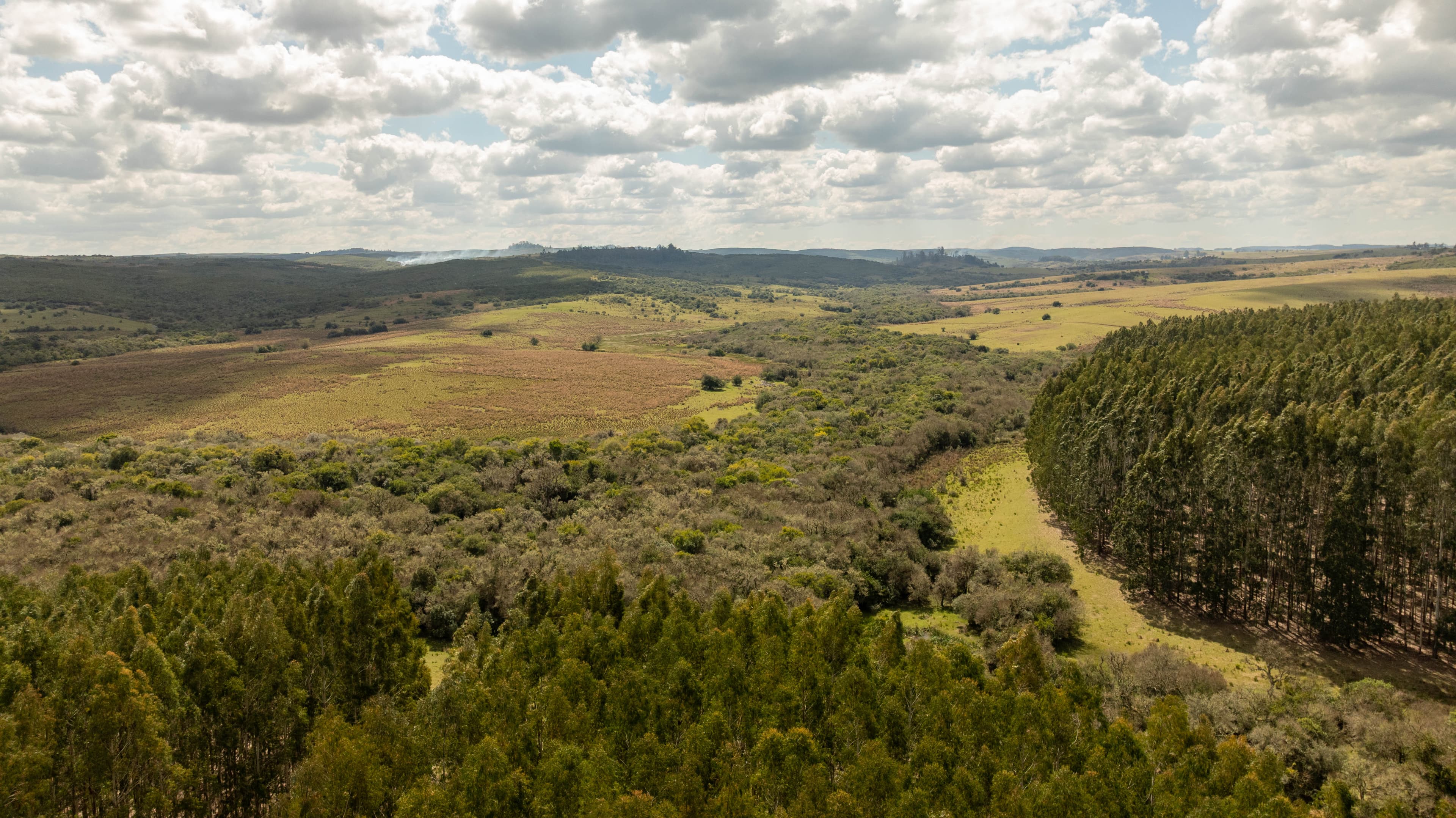
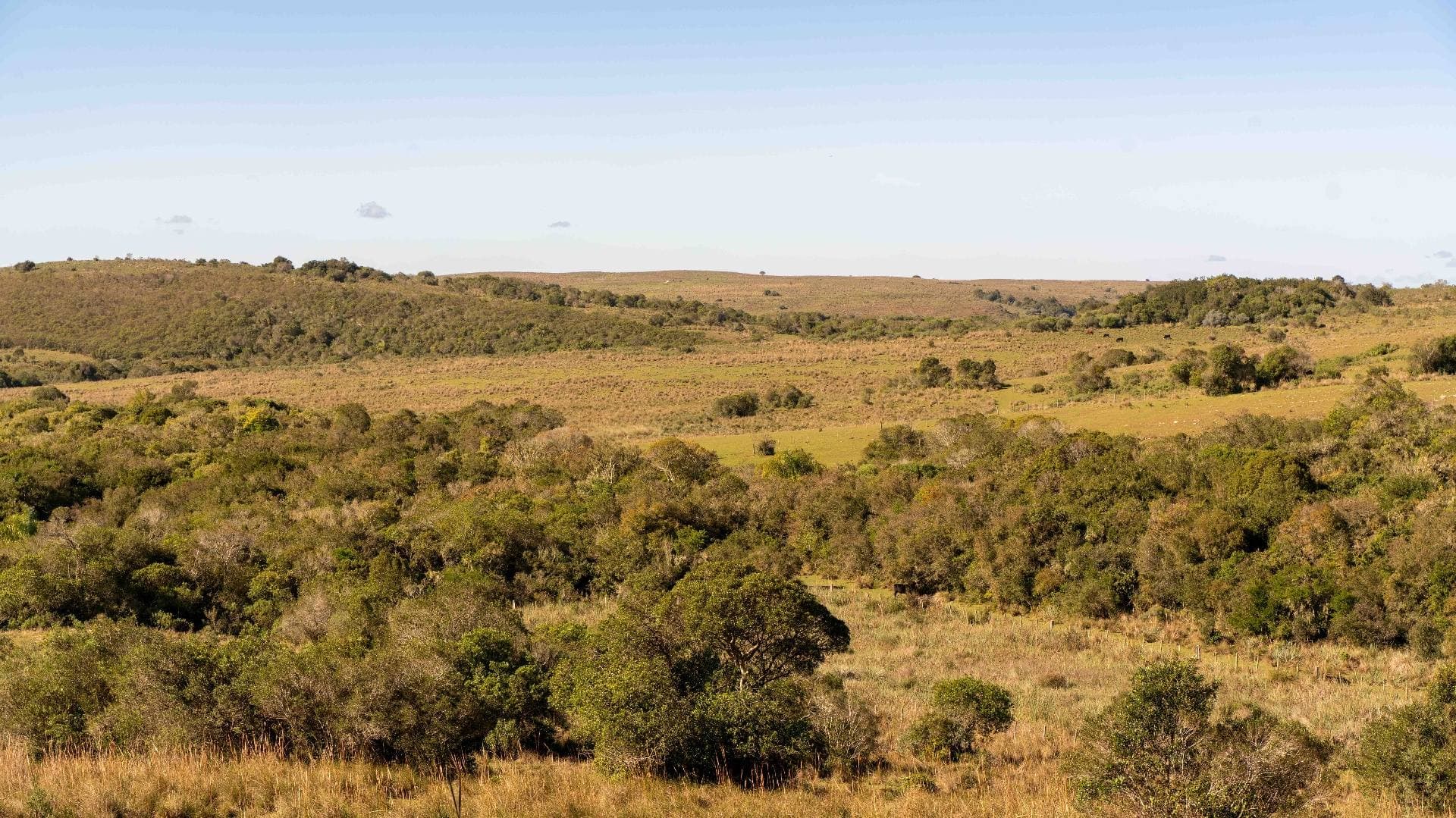
Wetlands are similar to swamps, but generally smaller, although there is no strict rule for telling them apart. They are environments where water is the fundamental component, forming a permanent or semi-permanent layer. They occupy the lowest positions in the landscape, in areas of flat topography. The plant and animal species found there are specially adapted to these conditions. They provide important ecosystem services: runoff regulation, filtering of surface waters and biodiversity conservation. This ecosystem also includes marshes and caraguatales, dense plant formations dominated by the caraguatá plant that develop in flood-prone areas.
Did You Know...
Climate Regulators
Wetlands store carbon and regulate the local temperature, working like a natural air conditioner for the surrounding areas.
A Stopover for Migratory Birds
Thousands of migratory birds from all over the continent stop over in Uruguay's wetlands to rest and feed during journeys of thousands of kilometres.
Typical Species of this Ecosystem
Cisne de Cuello Negro
Cygnus melancoryphus
An elegant waterbird with a black neck
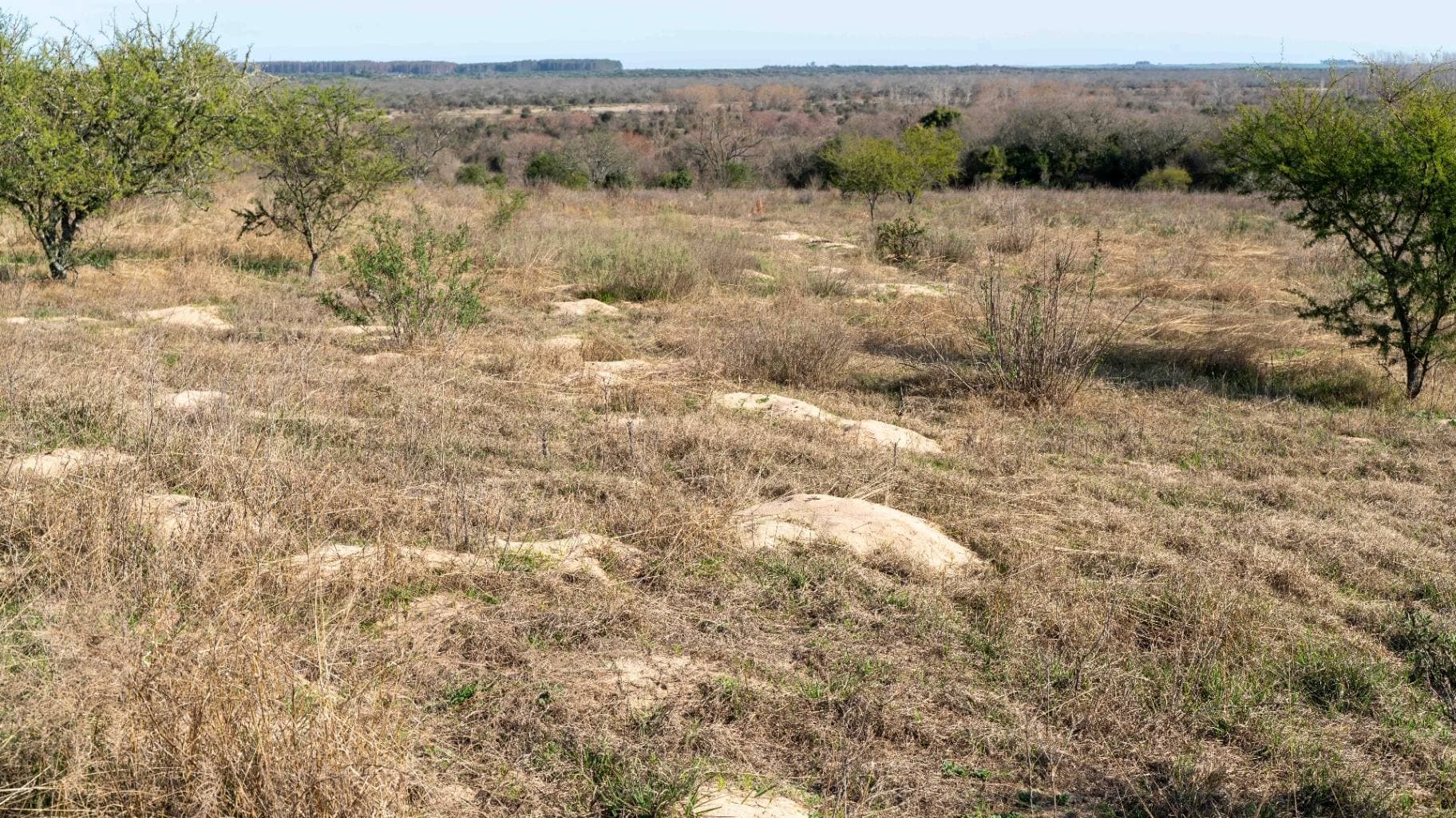
Tucutucu de Río Negro
Ctenomys rionegrensis
Subterranean rodent endemic to the department of Río Negro, with a very restricted distribution
Pajonalera de Pico Curvo
Limnornis curvirostris
A small bird endemic to the region's wetlands and reed beds. The Curve-billed Reedhaunter is characterised by its reddish-brown plumage and its distinctive downward-curved bill, a unique adaptation for feeding among the reeds. It lives exclusively in tall grasslands and marshlands, where it searches for insects and small invertebrates. It is an indicator species for the health of wetlands.
Test what you learned
Teaching Materials
Downloadable materials
Fact sheets, guides and printable resources about this ecosystem will be available for download soon.
Ecosystem Gallery
Reserves with this Ecosystem
Arroyo Malo
543 hectares

Barrancas Negras
600 hectares

Cascadas de Tacuarembó
163 hectares

Cerro Agudo
670 hectares

Cerro del Mortero
492 hectares

Coladeras
445 hectares

Costas del Río Negro
950 hectares

Dunas del Tacuarembó
658 hectares

Lambaré
420 hectares

Quiebrayugos
25 hectares

Viraroes
29 hectares

Yerbal
82 hectares