Ecosystems
Flat-Topped Hills (Cerros Chatos)
About the Ecosystem
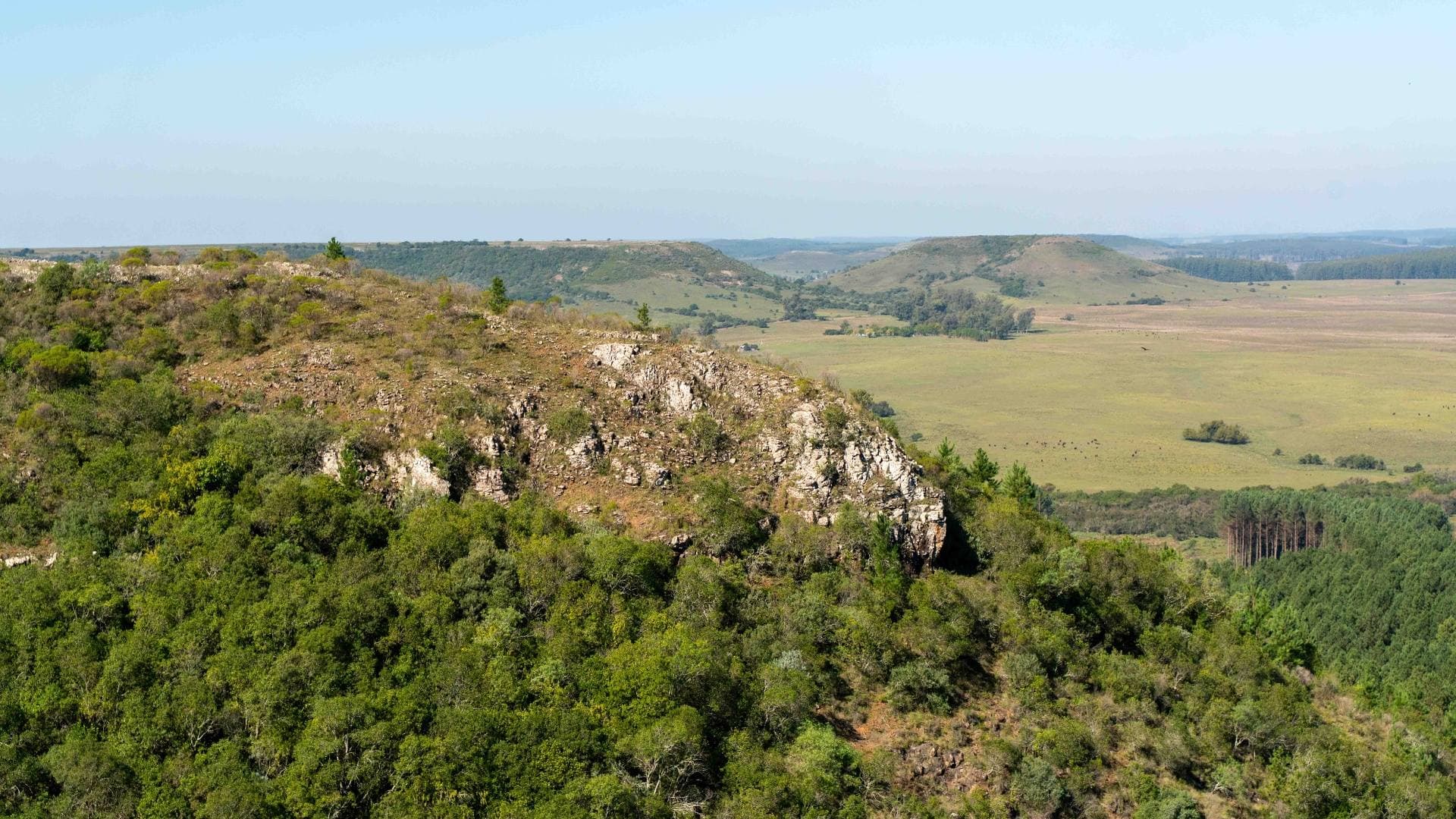
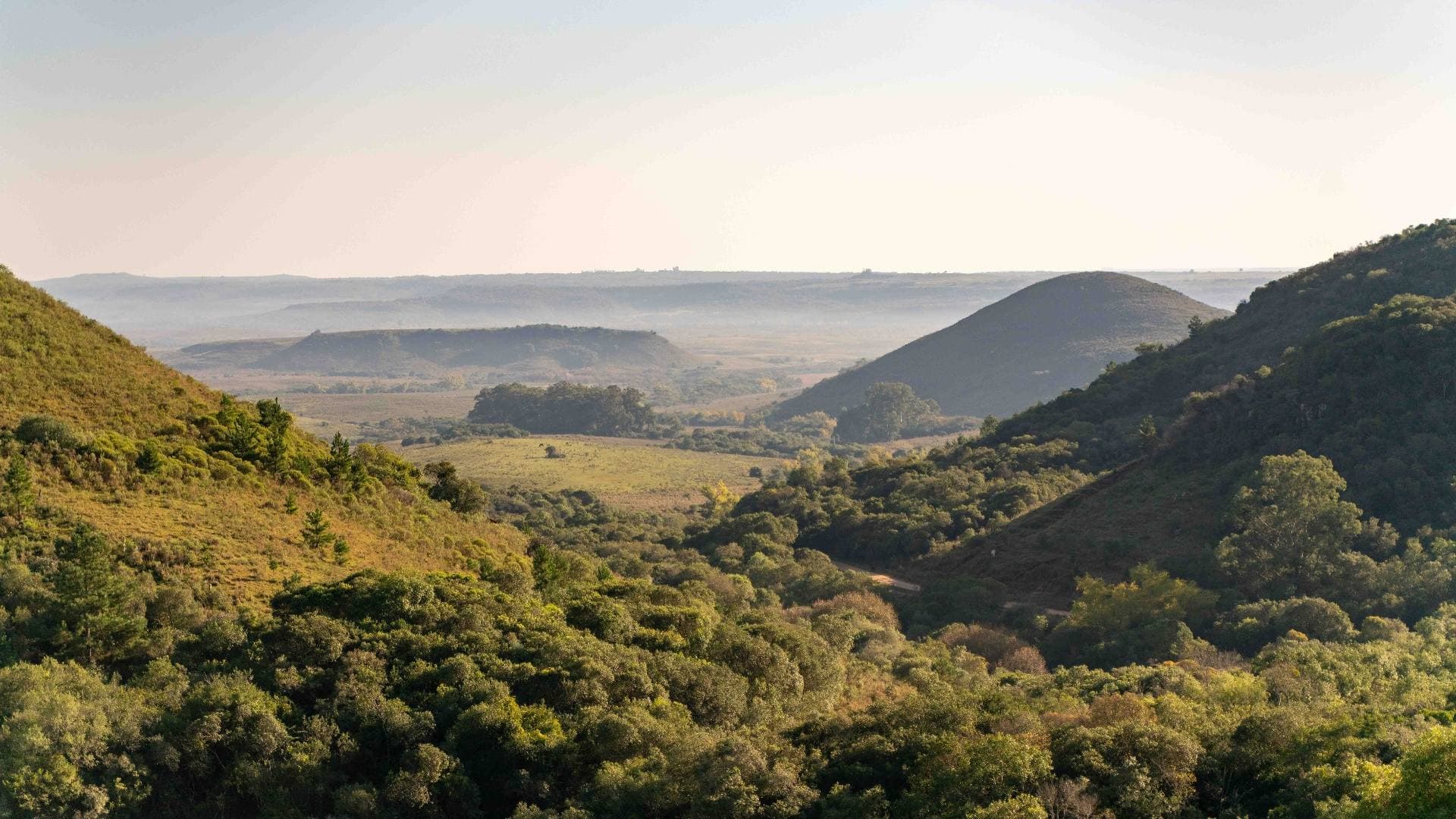
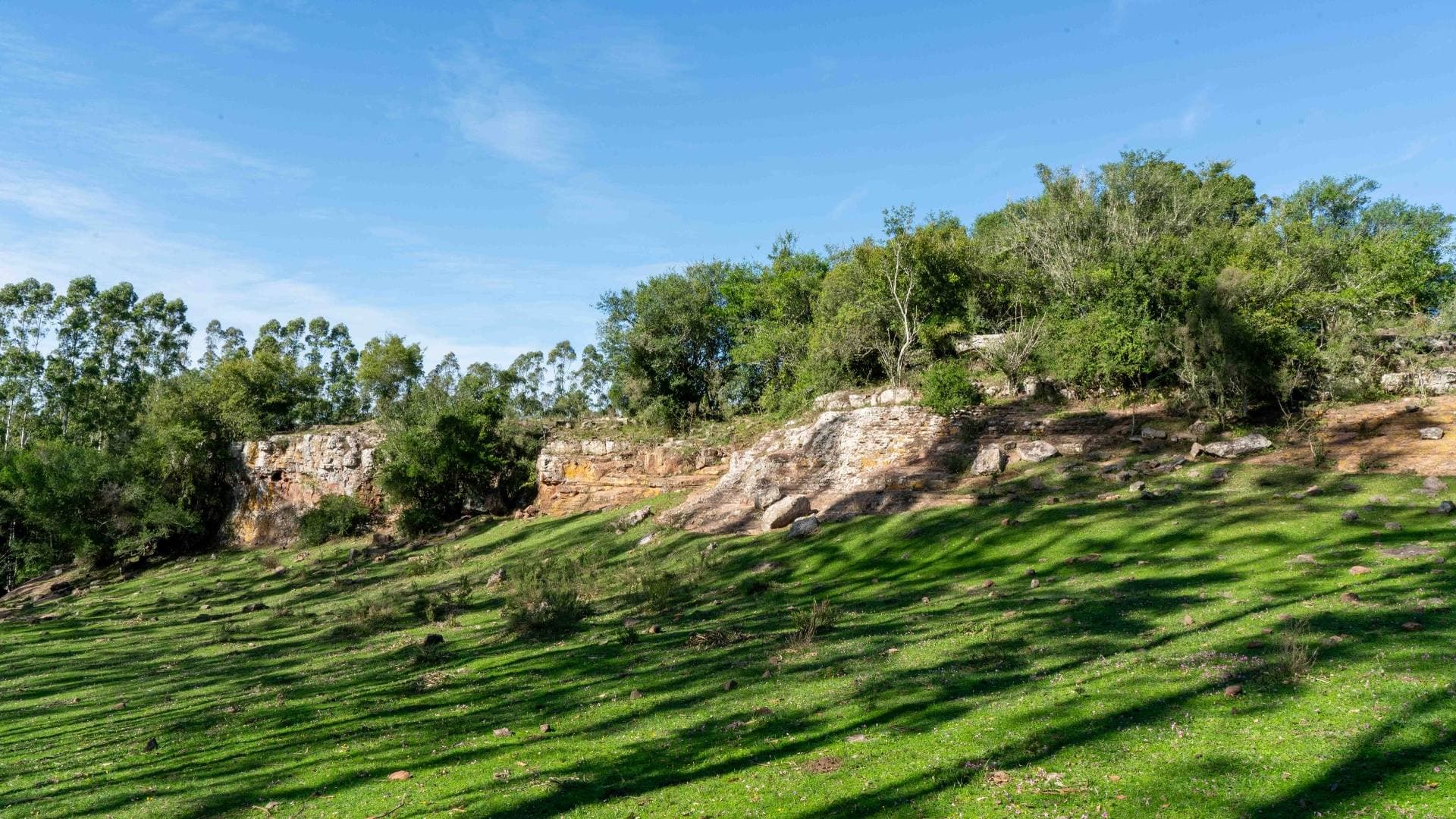
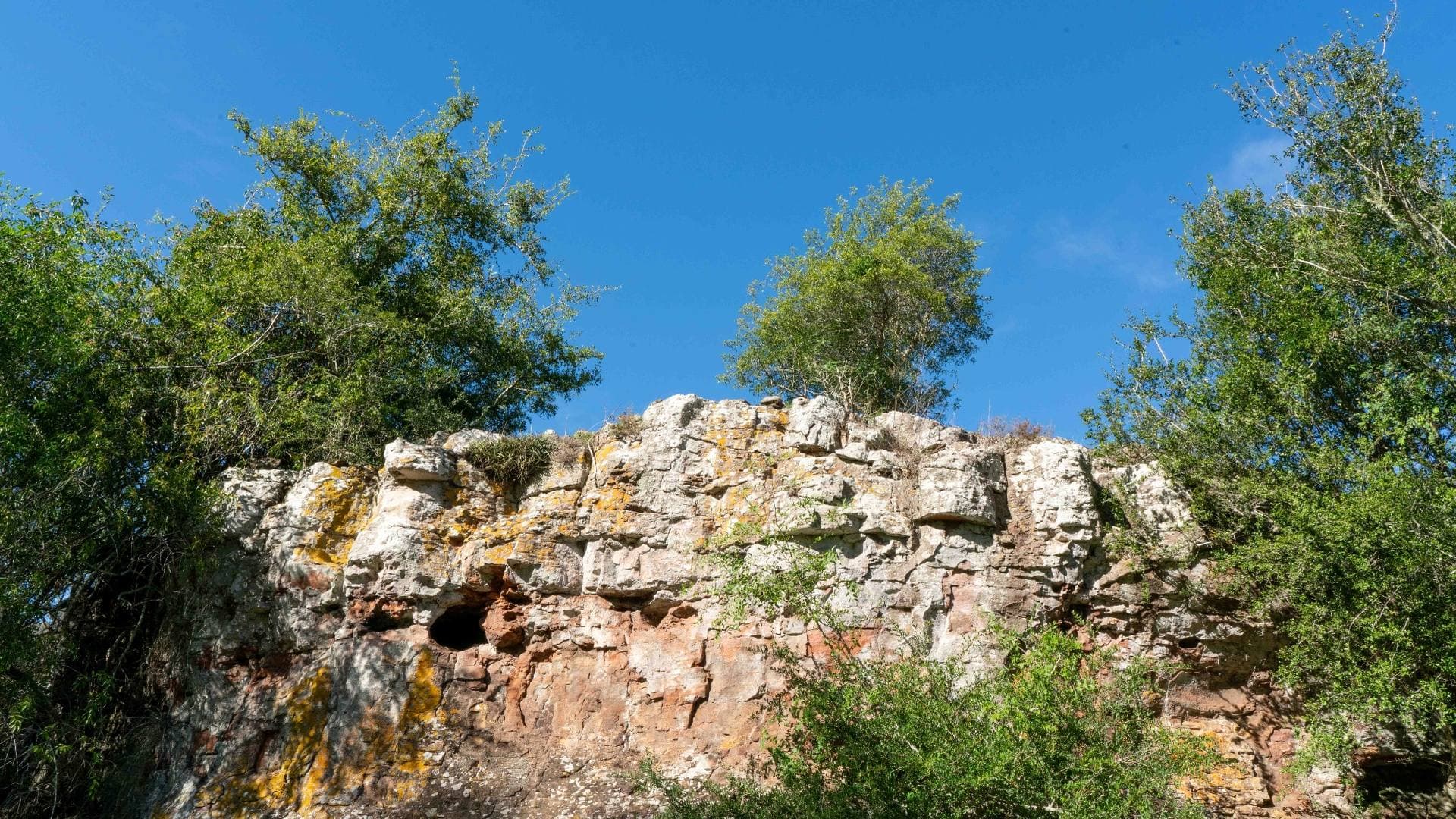
The flat-topped hills, found exclusively in Tacuarembó and Rivera, are the result of geological and natural erosion processes that took place over millions of years. Their base is sandstone, and their flat upper surface is due to a process of silicification that makes it more resistant to erosion. That highly distinctive crown on the upper part was formed in past geological ages, when these hills occupied low-lying positions in the landscape where shallow bodies of water used to form. In some cases the upper part is covered by a thin layer of basalt. These hills behave like islands, although they never were. They are home to unique species of flora and fauna.
Did You Know...
A World Turned Upside Down
What you see today as the highest part of the hill was, millions of years ago —when dinosaurs walked around here— the lowest part of the landscape. Back then (during the Triassic), the whole region was a vast arid area, covered in sand and dotted with watercourses and very shallow lagoons. Sediments settled on the bottom of those lagoons and later hardened, becoming resistant to erosion. As the rest of the surroundings wore away over millions of years, those more resistant areas turned into the plateaus we see today, which are still being eroded all the same.
Islands of Biodiversity
Many plant and animal species in Uruguay live exclusively on the slopes and summits of these hills, which is why they act as islands of biodiversity. This makes them extremely interesting to study, and it is very important to conserve them so that they keep these characteristics.
Natural Viewpoints
These are sites of great scenic interest. From the top of the cerros chatos — flat-topped hills — you can see landscapes up to 50 km away, and they have been used historically as lookout points.
Typical Species of this Ecosystem
Ganso Blanco
Coscoroba coscoroba
A large, entirely white bird with a pink bill and an elegant, long-necked flight. The Coscoroba Swan lives in lagoons, marshes, swamps and wetlands. Its main threats are the drainage and degradation of wetlands, human disturbance during breeding and illegal hunting. Protecting wetlands is essential for its survival.
Pajonalera de Pico Curvo
Limnornis curvirostris
A small bird endemic to the region's wetlands and reed beds. The Curve-billed Reedhaunter is characterised by its reddish-brown plumage and its distinctive downward-curved bill, a unique adaptation for feeding among the reeds. It lives exclusively in tall grasslands and marshlands, where it searches for insects and small invertebrates. It is an indicator species for the health of wetlands.
Volatinero
Volatinia jacarina
A small bird. The male is a glossy blue-black. It rises and falls in short flights while singing. It inhabits grasslands, open fields and roadsides. Its main threats are the loss of grasslands and the intensive use of agrochemicals. Maintaining grasslands and natural field margins favours its presence.
Test what you learned
Teaching Materials
Downloadable materials
Fact sheets, guides and printable resources about this ecosystem will be available for download soon.