Ecosystems

Sandy areas and dunes

3 reserves protect this ecosystem

About the Ecosystem

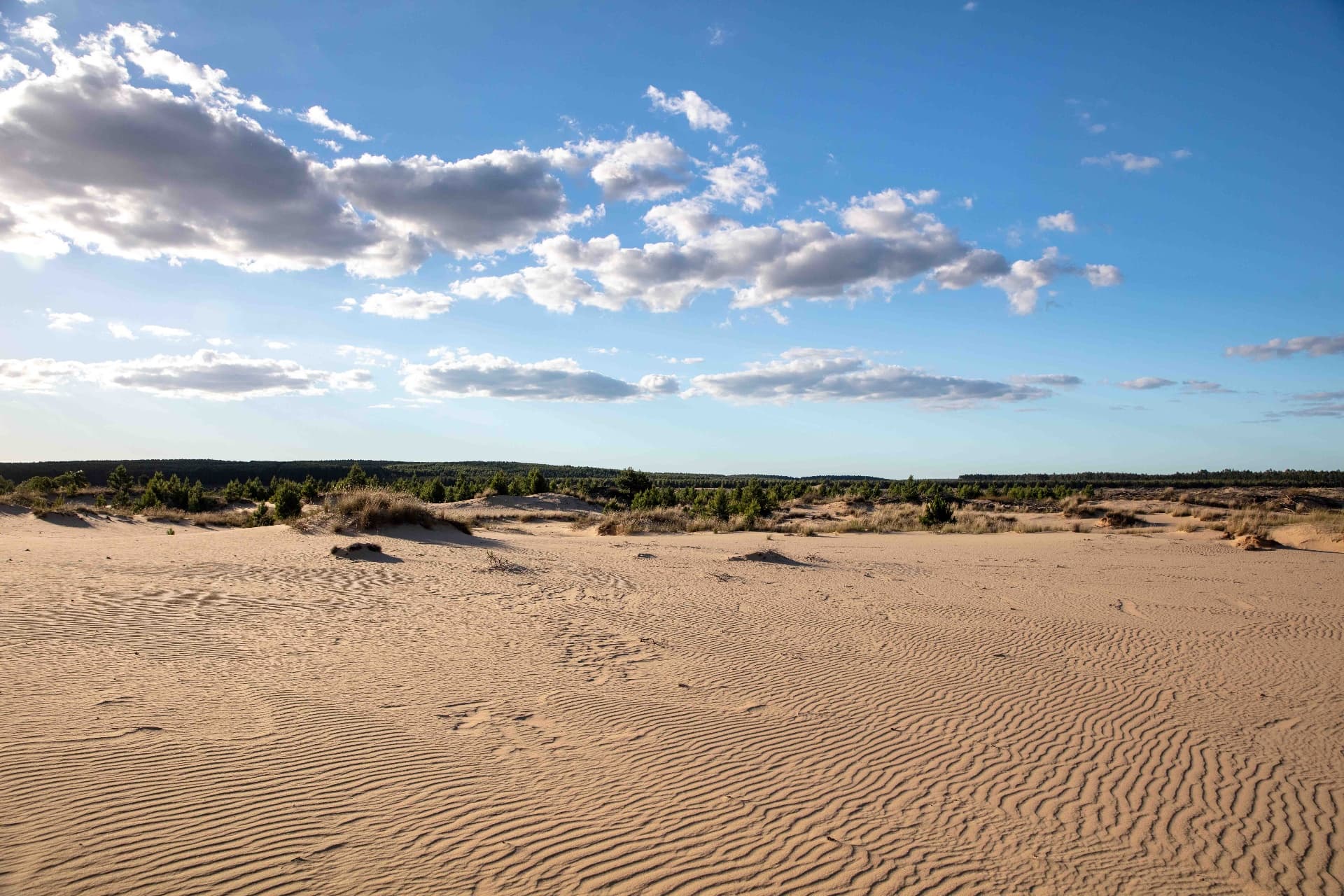
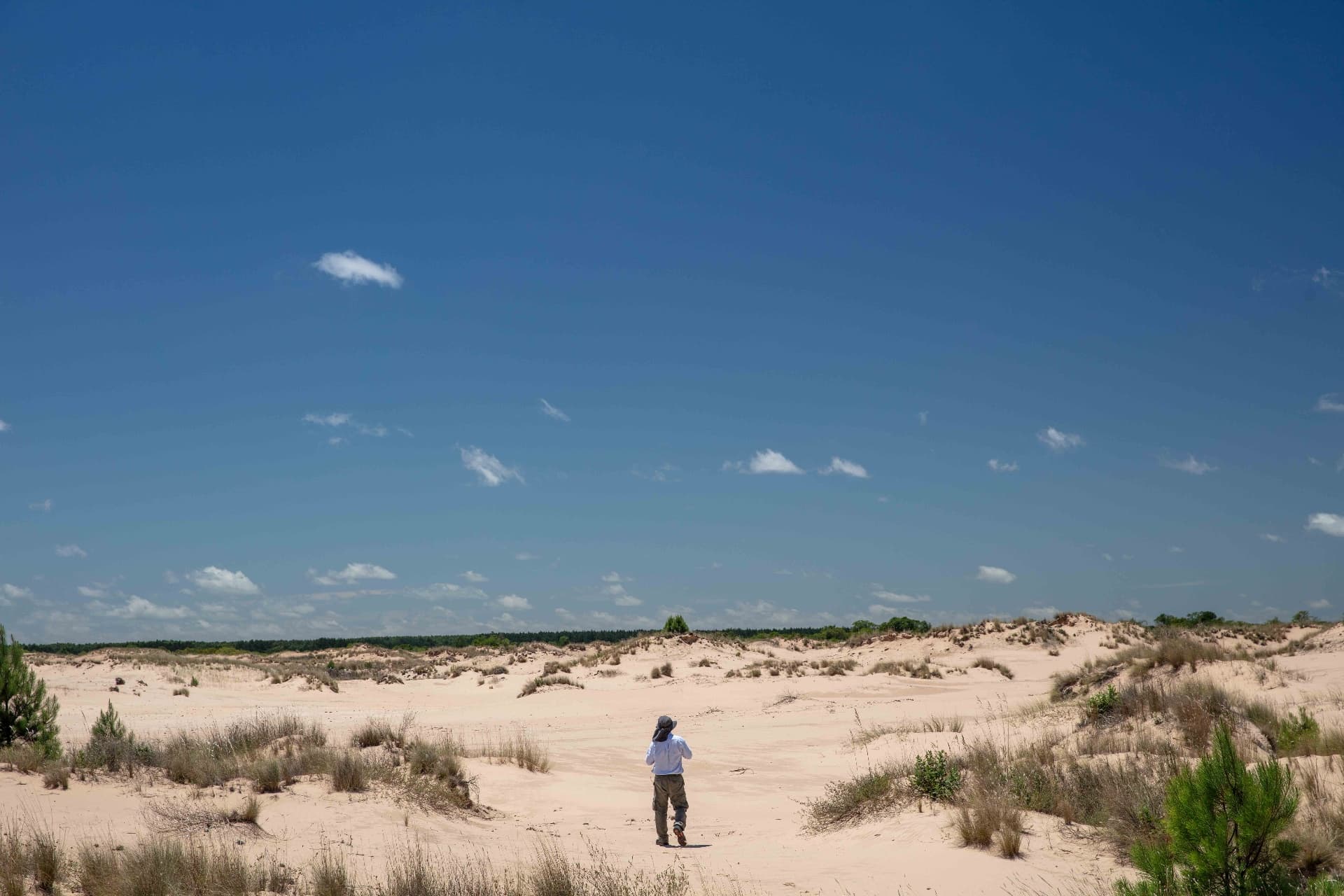
This is an area of natural sand accumulation, the product of the natural processes of erosion and transport of components of sedimentary rocks. In the case of inland dunes, these environments occur near rivers that cross basins where sedimentary rocks (sandstones) predominate. They have very low natural fertility, but they are a favourable environment for many native plant and animal species, some of which are specific to these environments. This ecosystem includes formations of mobile and semi-mobile dunes, which are dynamic environments in constant transformation through the action of wind and water.

Did You Know...

Inland Sandy Areas

Large sandy areas are not very common in the interior of the country. The rivers where the most extensive sandy areas are found are the Negro and the Tacuarembó, where in some cases we find dunes several metres high.

Coastal Flora Inland

The vegetation associated with these sandy areas bears a certain resemblance to that of coastal sandy areas, which is interesting given that they are hundreds of kilometres apart. One example is the presence of "Pasto dibujante", a grass very characteristic of our beaches. Naturally, the species adapted to highly saline conditions are absent here, as they occur only on the beaches.

Indigenous cultural objects and fulgurites

It is very common to find artefacts used by the original peoples at these sites, such as stone flakes, boleadoras and spear points, among others. Something else often found there are very curious, glassy-looking structures, formed when the sand melts from electrical discharges during storms. They are known as "fulgurites" (lightning).

Test what you learned

Teaching Materials

Downloadable materials

Fact sheets, guides and printable resources about this ecosystem will be available for download soon.
Ecosystem Gallery