Ecosystems

Parkland forest

10 reserves protect this ecosystem

About the Ecosystem

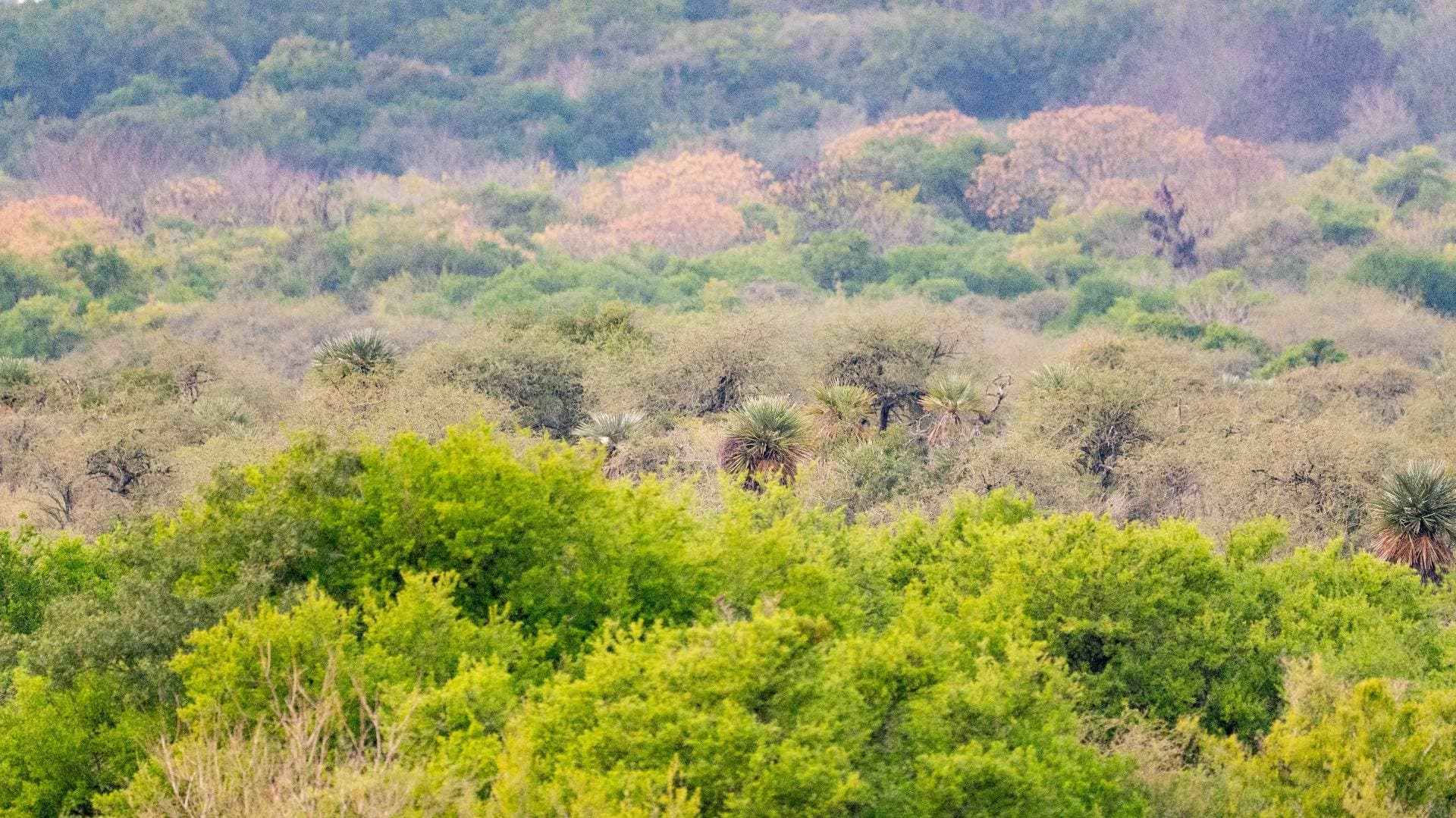
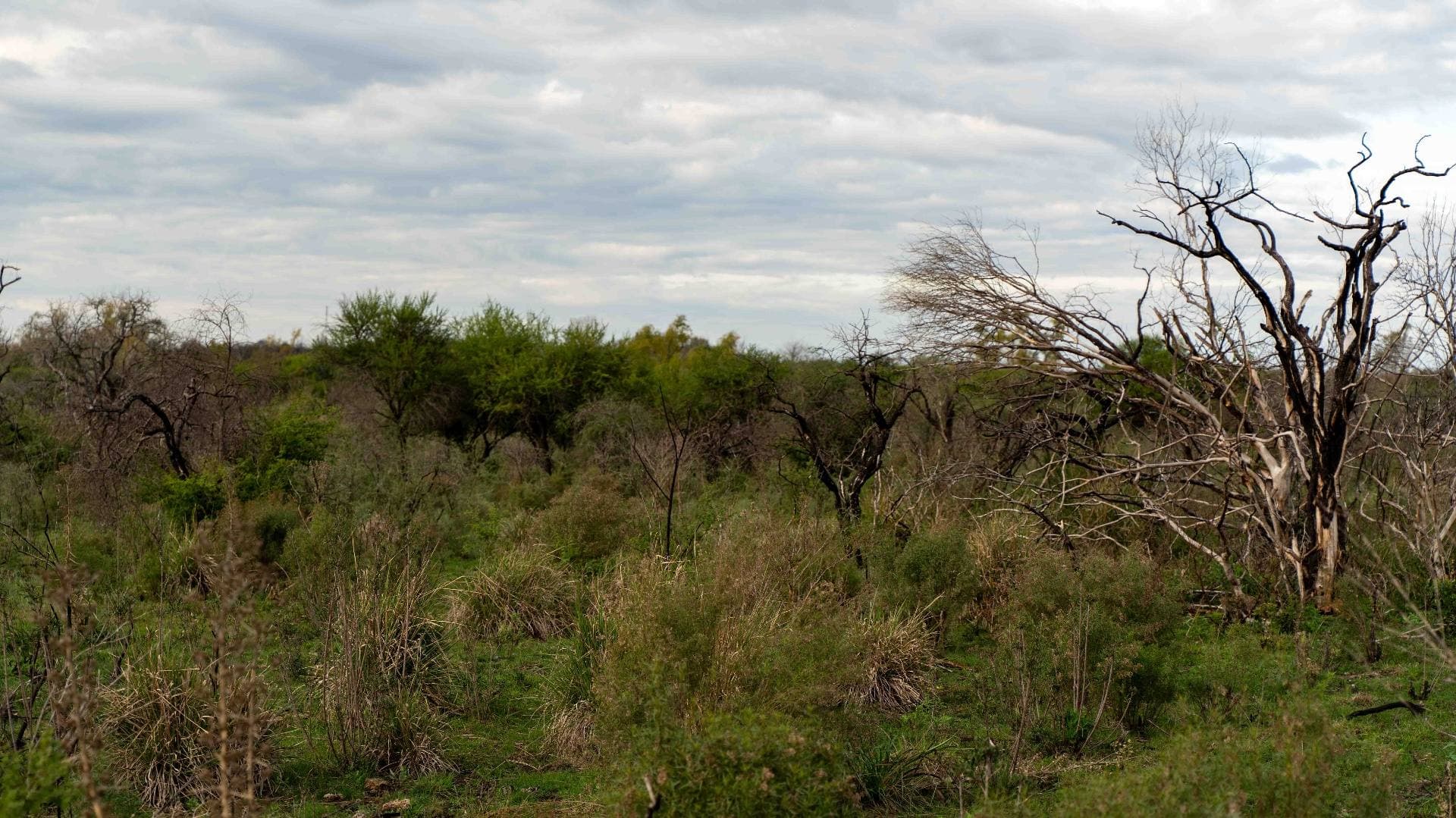
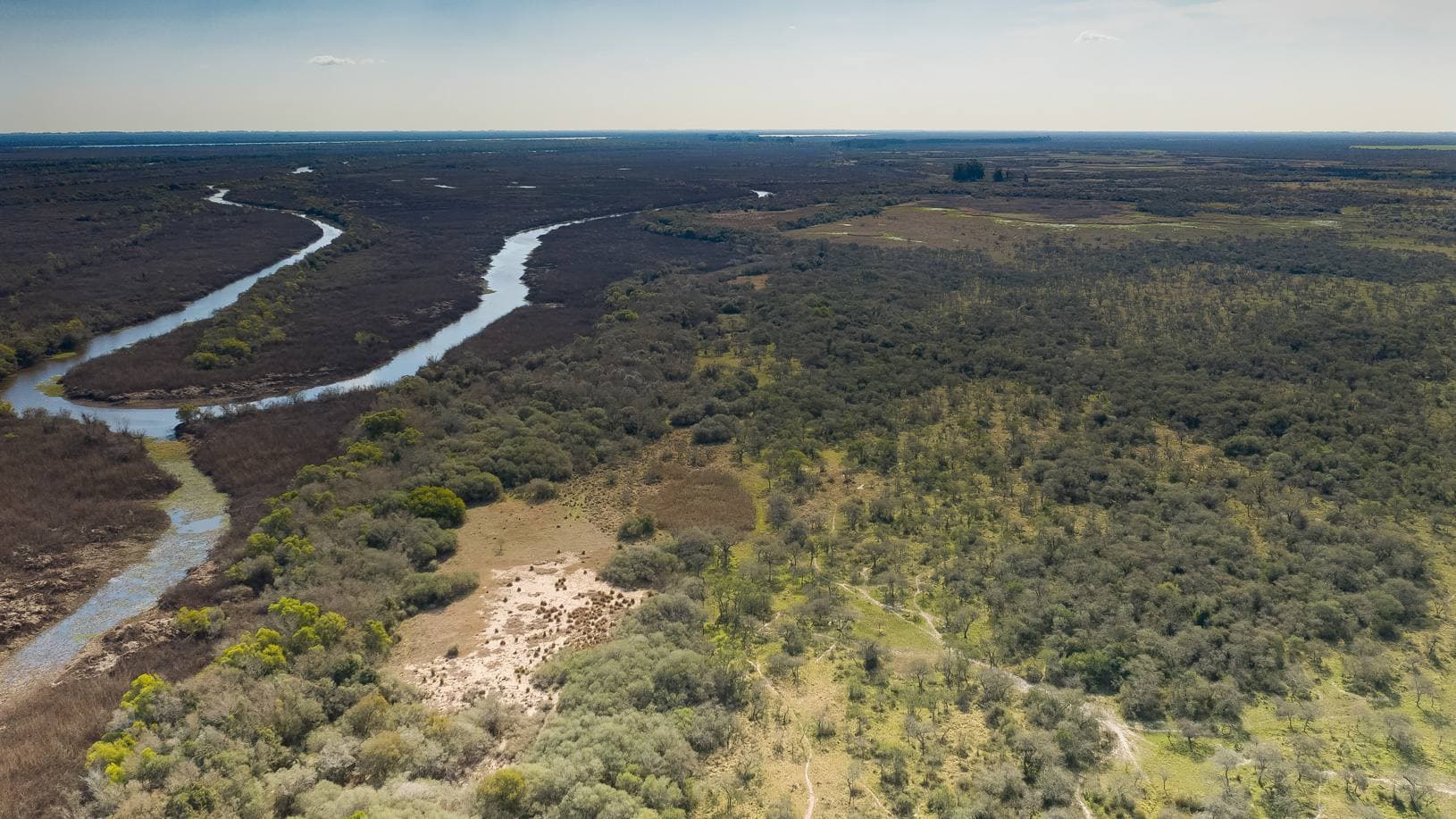
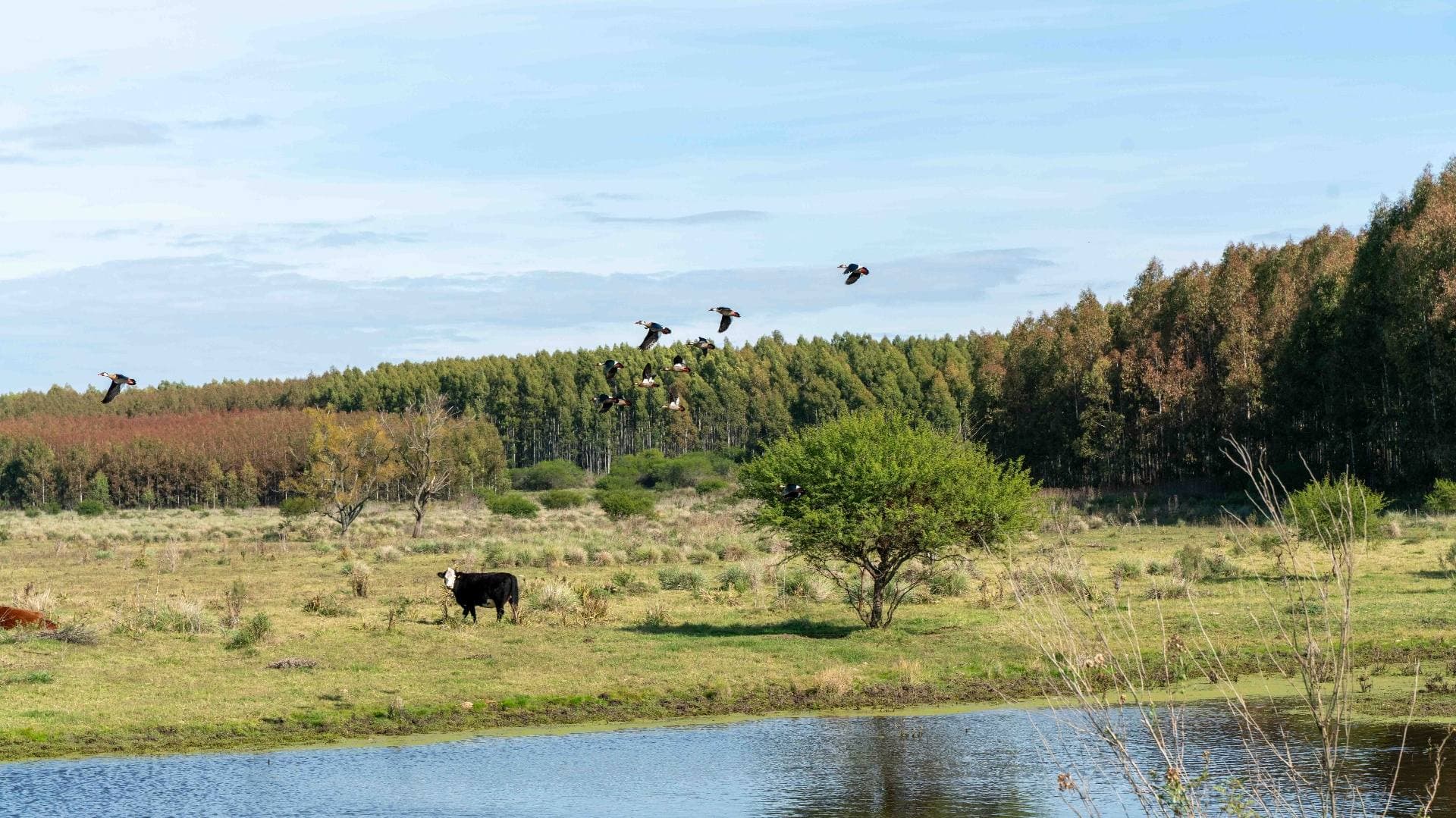
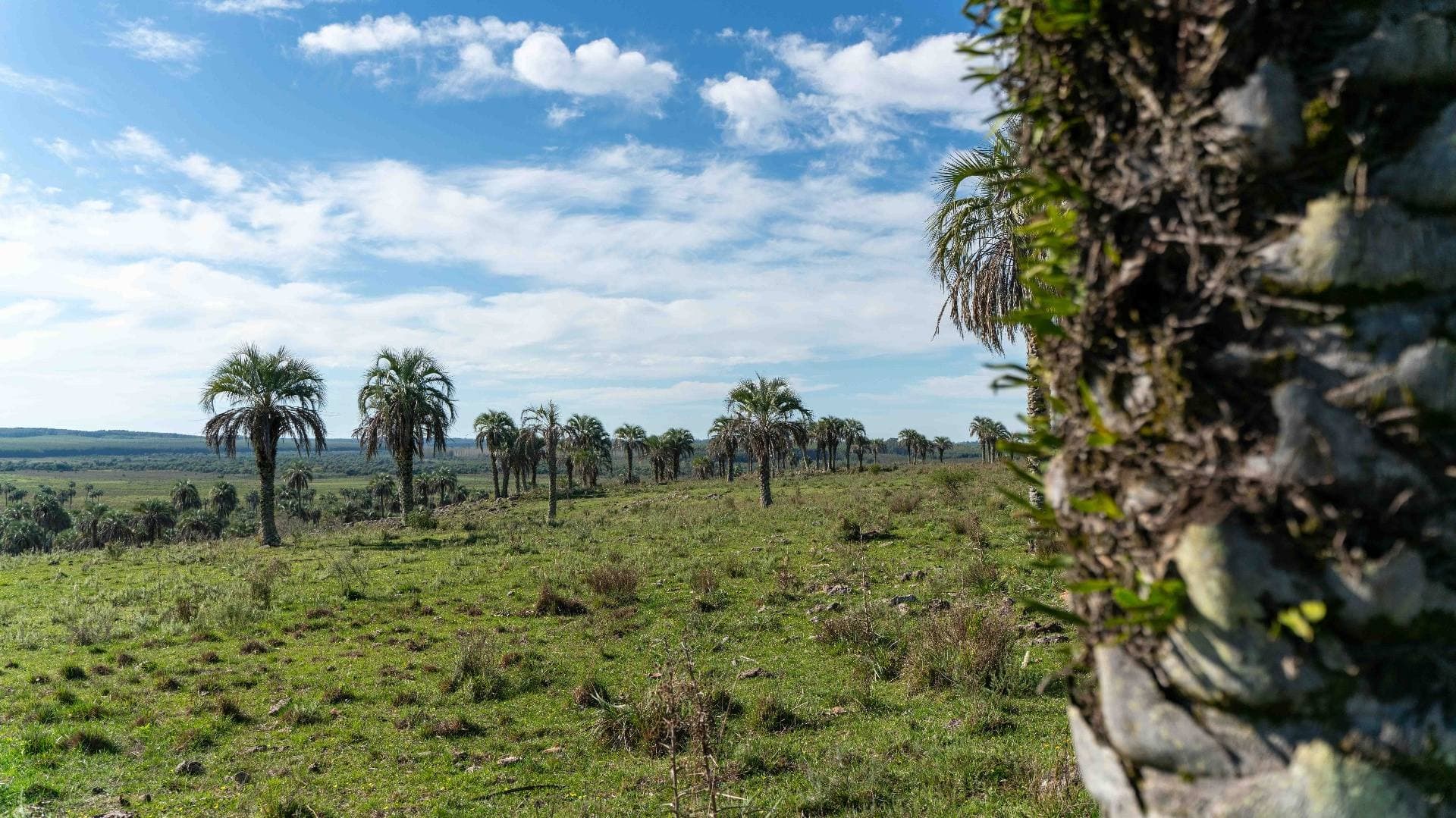
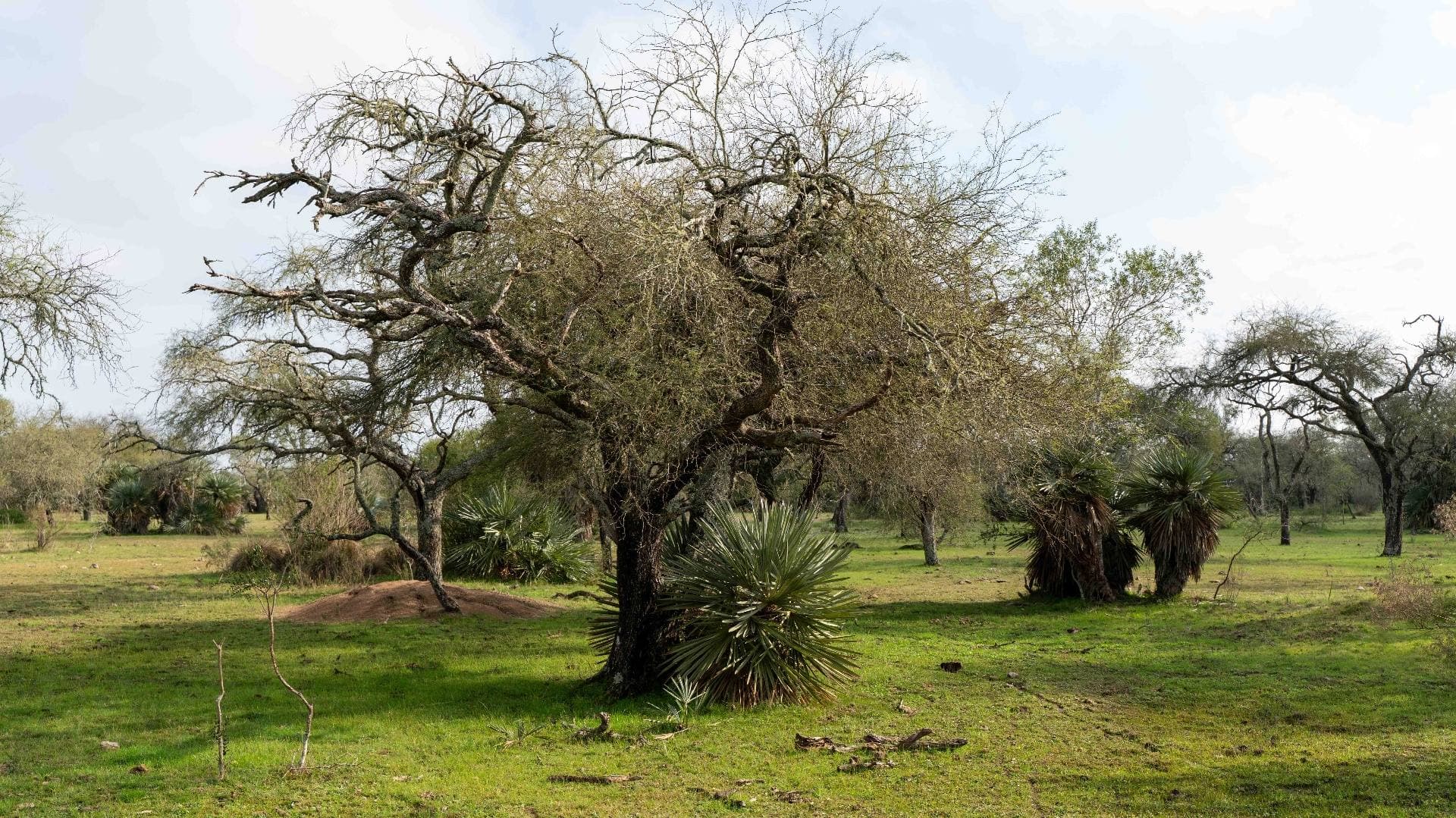
This is a woody vegetation with scattered trees that do not cover the ground completely, which allows herbs, grasses and shrubs to grow between them as well. In western Uruguay there are areas with this type of forest that are especially important. They develop on soils with a high sodium content (halomorphic), and they are home to exclusive plant species, characteristic of this region and similar to those found in the Chaco.

Did You Know...

Where the Name Comes From

It is called a "park forest" because the trees are widely spaced, which lets grasses and shrubs grow between them; in other words, no canopy — a continuous layer of treetops — forms as it does in other forests.

Parque Chaqueño

In Uruguay there is a type of park woodland that grows in the eastern littoral, from Artigas to Soriano, and it is very distinctive both for the species found in it and for the type of soil it occupies. We know these woodlands as Parque Chaqueño, because they resemble the vegetation of the Chaco: they develop on soils with a high sodium content, known as "blanqueales" because of their whitish colour. Many native plant and animal species live exclusively in these environments.

Cactuses and the Isaú Ant

The most interesting patches of Chaco park forest from a floristic point of view are those growing on the blanqueales, the whitish alkaline flats: as well as woody species, they are home to numerous cactus species that are also very rare and found nowhere else. One very unusual inhabitant is the Isaú ant, which builds large nests up to one metre high and two or three metres deep. The Isaú ant is considered a bioengineer species because of its importance in keeping the ecosystem healthy.

Test what you learned

Teaching Materials

Downloadable materials

Fact sheets, guides and printable resources about this ecosystem will be available for download soon.

Ecosystem Gallery